

Home / Health / Delhi Hospitals: One Packed, One Empty
Delhi Hospitals: One Packed, One Empty
13 Apr
Summary
- GTB Hospital is overwhelmed with 104% bed occupancy.
- Rajiv Gandhi Hospital is underutilized with vacant sections.
- Three Delhi hospitals are proposed to merge into one institution.
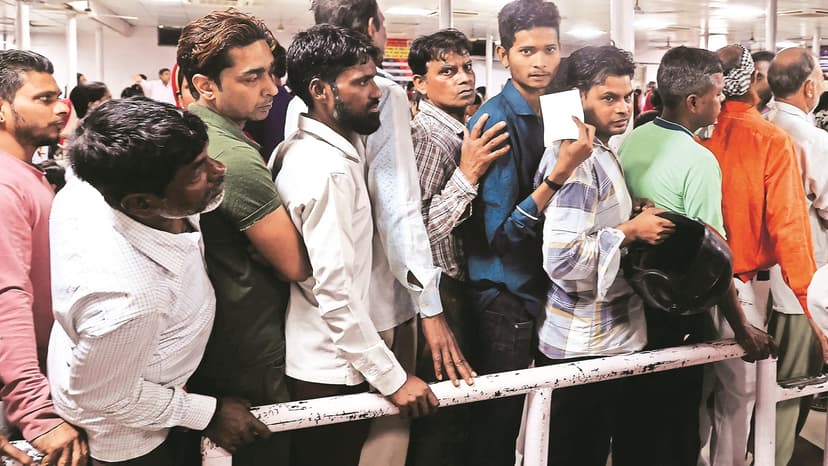
Guru Teg Bahadur (GTB) Hospital in East Delhi is experiencing severe overcrowding, with approximately 6,000 outpatient visitors and 250 daily admissions, leading to a bed occupancy rate exceeding 104%. In stark contrast, Rajiv Gandhi Super Speciality Hospital (RGSSH), located just two kilometers away, remains significantly underutilized, with entire wards vacant. The Delhi State Cancer Institute (DSCI) also faces its own challenges.
To tackle this disparity, the Delhi government has proposed integrating GTB, RGSSH, and DSCI into a unified, autonomous medical super-institution, with GTB as the lead. This merger, drawing inspiration from AIIMS, aims to decongest GTB, boost RGSSH's utilization, eliminate service duplication, and optimize equipment usage. Future expansion will be supported by 75 acres provided by the Institute of Human Behaviour and Allied Sciences (IHBAS).
The consolidation seeks to address issues like scattered resources and overlapping specialties across the three hospitals. Services would be redistributed, with RGSSH focusing on super-specialties, DSCI on oncology, and GTB potentially strengthening endocrinology. This integration is expected to streamline patient referrals, offer more medical seats by pooling faculty, and enhance clinical training through cross-hospital rotations.
However, the merger faces potential hurdles, including differing service conditions between government and contractual staff, significant infrastructure deficits such as a lack of MRI machines at GTB and RGSSH, and manpower shortages. Harmonizing service conditions, addressing infrastructure gaps concurrently, and accelerating faculty recruitment are critical for the successful implementation of this ambitious plan.
