Home / Health / Sleep Stealer: Daylight Saving Time's Health Toll
Sleep Stealer: Daylight Saving Time's Health Toll
6 Mar
Summary
- Daylight saving time begins Sunday at 2 a.m., losing an hour of sleep.
- Studies show increased heart attacks and strokes after time change.
- Sunshine exposure helps reset body clock for better sleep adjustment.
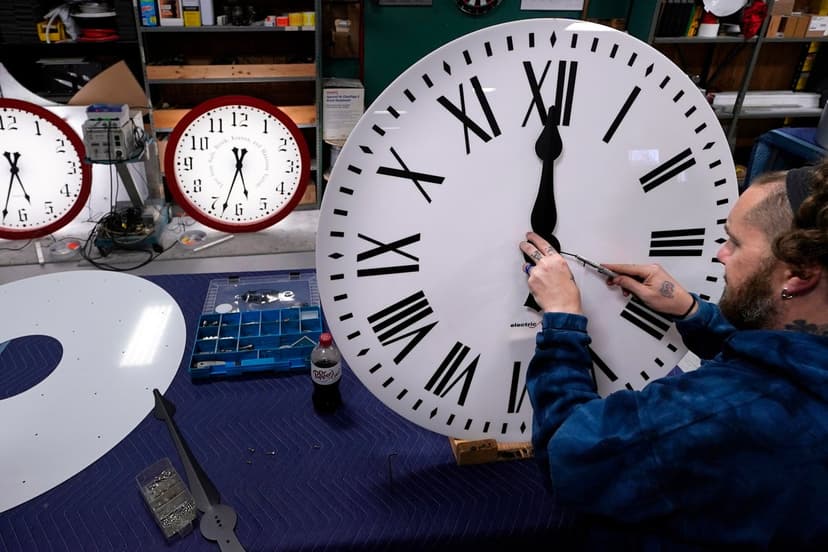
Most of the United States will observe the start of daylight saving time this Sunday at 2 a.m., losing an hour of sleep. This annual change can have detrimental effects on health, disrupting the body's internal clock and leading to sleep difficulties that may last for weeks.
Research indicates a temporary increase in heart attacks and strokes shortly after the March time shift. Fatal car crashes also see a rise in the initial days due to sleep deprivation. The disruption affects the body's master clock, which is regulated by sunlight and darkness, influencing alertness and sleep patterns.
To mitigate these effects, experts suggest increasing exposure to morning sunshine to help reset the circadian rhythm. Adjusting daily routines, such as mealtimes and exercise, can also aid in adaptation. Evening light exposure from electronic devices, however, can complicate adjusting to an earlier bedtime.
Discussions about eliminating daylight saving time occur annually, with legislative efforts like the Sunshine Protection Act repeatedly stalling in Congress. While some advocate for permanent daylight saving time, health organizations like the American Medical Association suggest that year-round standard time aligns better with human biology and sleep consistency.