feedzop-word-mark-logo
searchLogin
Feedzop
homeFor YouIndiaIndia
You
bookmarksYour BookmarkshashtagYour Topics
Trending
Terms of UsePrivacy PolicyAboutJobsPartner With Us

© 2026 Advergame Technologies Pvt. Ltd. ("ATPL"). Gamezop ® & Quizzop ® are registered trademarks of ATPL.

Gamezop is a plug-and-play gaming platform that any app or website can integrate to bring casual gaming for its users. Gamezop also operates Quizzop, a quizzing platform, that digital products can add as a trivia section.

Over 5,000 products from more than 70 countries have integrated Gamezop and Quizzop. These include Amazon, Samsung Internet, Snap, Tata Play, AccuWeather, Paytm, Gulf News, and Branch.

Games and trivia increase user engagement significantly within all kinds of apps and websites, besides opening a new stream of advertising revenue. Gamezop and Quizzop take 30 minutes to integrate and can be used for free: both by the products integrating them and end users

Increase ad revenue and engagement on your app / website with games, quizzes, astrology, and cricket content. Visit: business.gamezop.com

Property Code: 5571

Home / Health / Sleeping Habits Threaten Your Heart

Sleeping Habits Threaten Your Heart

11 Feb

•

Summary

  • Light and sound from TVs disrupt deep sleep cycles.
  • Phones near the bed interfere with rest and can cause arrhythmia.
  • Stomach sleeping can starve the brain of oxygen.
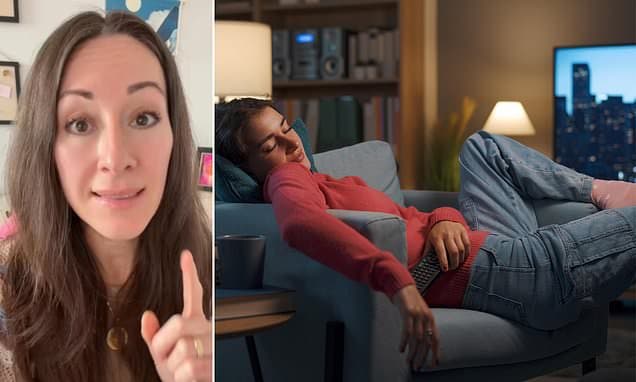
Sleeping Habits Threaten Your Heart

Harmful sleep habits are a significant concern for heart health, according to a US-based specialist. Sleeping with the television on, even softly, poses risks. The fluctuating light and sound patterns prevent the brain from achieving restorative deep sleep, potentially disrupting heart rate, blood pressure, and breathing. This can lead to dangerous night-time heart rhythm disturbances over time.

Keeping phones within arm's reach or under the pillow is another habit experts advise against. While research into electromagnetic waves continues, phones clearly disrupt sleep through light, vibration, notifications, and subconscious alertness. Charging devices away from the bed or using airplane mode is recommended.

Additionally, sleeping on one's stomach can compress airways, potentially causing severe sleep apnoea and leading to oxygen starvation for the brain, with serious cardiac consequences. Experts advocate for side sleeping, especially on the left, for better breathing and circulation.

trending

Salesforce lays off 1000

trending

India US trade tariffs slashed

trending

Margot Robbie's Wuthering Heights panned

trending

CBSE board exams: key details

trending

Jana Nayagan movie court case

trending

Dhakshineswar Suresh Davis Cup hero

trending

Deepika Padukone wears Gaurav Gupta

trending

NZ vs UAE match prediction

trending

iPhone 17 Croma Valentine's sale

Ultimately, these behaviours prevent the body from entering deep, restorative sleep, a crucial stage for repairing the heart, brain, and hormones. Creating a dark, quiet, and device-free bedroom is a simple yet vital step for long-term cardiovascular health.

Disclaimer: This story has been auto-aggregated and auto-summarised by a computer program. This story has not been edited or created by the Feedzop team.
Sleeping with the TV on can disrupt heart rate, blood pressure, and breathing patterns due to the flickering light and unpredictable sound, potentially leading to heart rhythm disturbances.
Phones near the bed can disrupt deep sleep cycles through light, vibration, notifications, and subconscious alertness, potentially triggering heart arrhythmia.
Stomach sleeping can compress airways, leading to severe sleep apnoea, which can starve the brain of oxygen and cause cardiac arrest.

Read more news on

Healthside-arrow

You may also like

Obesity Fuels Deadly Infections: UK Study Warns

1 day ago • 5 reads

article image

Childhood BP Soars: Double in 20 Years!

9 Jan • 204 reads

article image

Women's Stress Melts Away With Exercise, Study Finds

7 Jan • 157 reads

Eat Your Way to Cancer Recovery: Diet's Powerful Role

2 Jan • 206 reads

article image

Sleep: The True Key to a Longer Life?

15 Dec, 2025 • 314 reads