Home / Health / Cyclospora Outbreak: 2026 Becomes Worst Year Yet
Cyclospora Outbreak: 2026 Becomes Worst Year Yet
14 Jul
Summary
- 2026 is projected to be the worst year for cyclospora infections in the U.S.
- Lettuce or salad greens are suspected as a common source of infections.
- Health officials are advising thorough washing of produce and avoiding bagged salads.
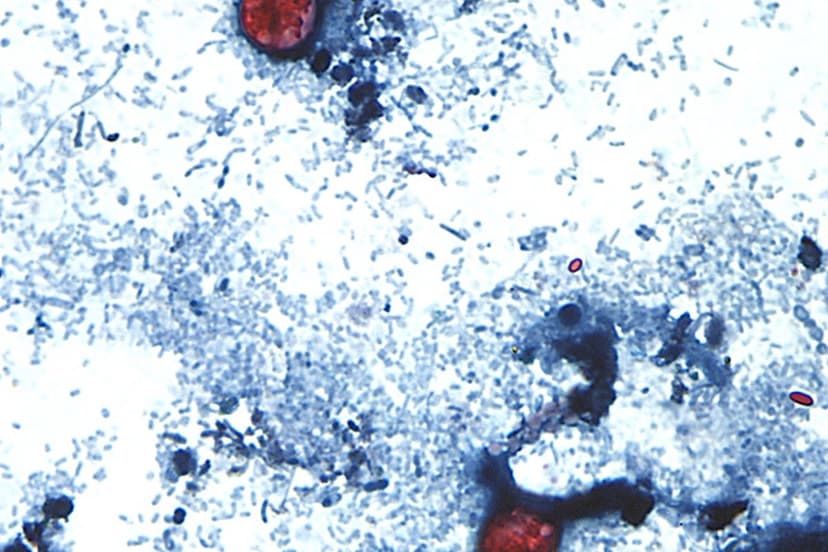
The United States is currently facing an unprecedented surge in infections caused by the parasite cyclospora, with 2026 already marking the nation's most severe year for reported cases. Over 30 states have reported infections, and current data indicates that the number of cases has surpassed the previous record of approximately 4,700 set in 2019.
Health officials have not definitively pinpointed the source of the outbreak. However, in Michigan, where more than 3,300 cases have been reported, preliminary investigations point to lettuce or salad greens as a likely common vehicle for the parasite. This suspicion is based on over 1,000 patient interviews, revealing lettuce as a frequently reported product.
In response to these findings, Michigan health authorities have recommended that consumers purchase whole heads of lettuce, discard the outer leaves, and thoroughly wash the remaining portions. They also advised against consuming bagged lettuce and pre-mixed salad kits, given that produce has been implicated in past cyclospora outbreaks.
The microscopic parasite cyclospora typically causes watery diarrhea and other gastrointestinal symptoms. Outbreaks are most common in late spring and summer, with the parasite spreading through feces and infecting the bowels. Past infections have been linked to consuming contaminated fruits or vegetables, often exposed to feces-contaminated irrigation water.
While cyclosporiasis is less common than illnesses caused by salmonella or E. coli, the number of reported cases has been rising for about a decade, with significant spikes in 2018 and 2019. Experts attribute this trend to historically underreported cases due to limited detection capabilities and, more recently, to climate change and improved diagnostic methods.
The Centers for Disease Control and Prevention (CDC) is monitoring the situation, reporting 1,645 confirmed domestic cases and over 5,100 cases requiring further analysis as of May 1st. These reports come from 34 states. While not all cases are linked to a common source, Michigan officials believe a substantial portion of their cases are connected to a domestic outbreak.


