Home / Health / Run Smarter: Cycling's Secret Edge for Runners
Run Smarter: Cycling's Secret Edge for Runners
7 Dec
Summary
- Cycling reduces overuse injuries by shifting stress from joints to glutes, legs, and core.
- Studies show runners perform better and faster after cycling sessions.
- Cycling increases blood flow to running muscles, aiding recovery and reducing fatigue.
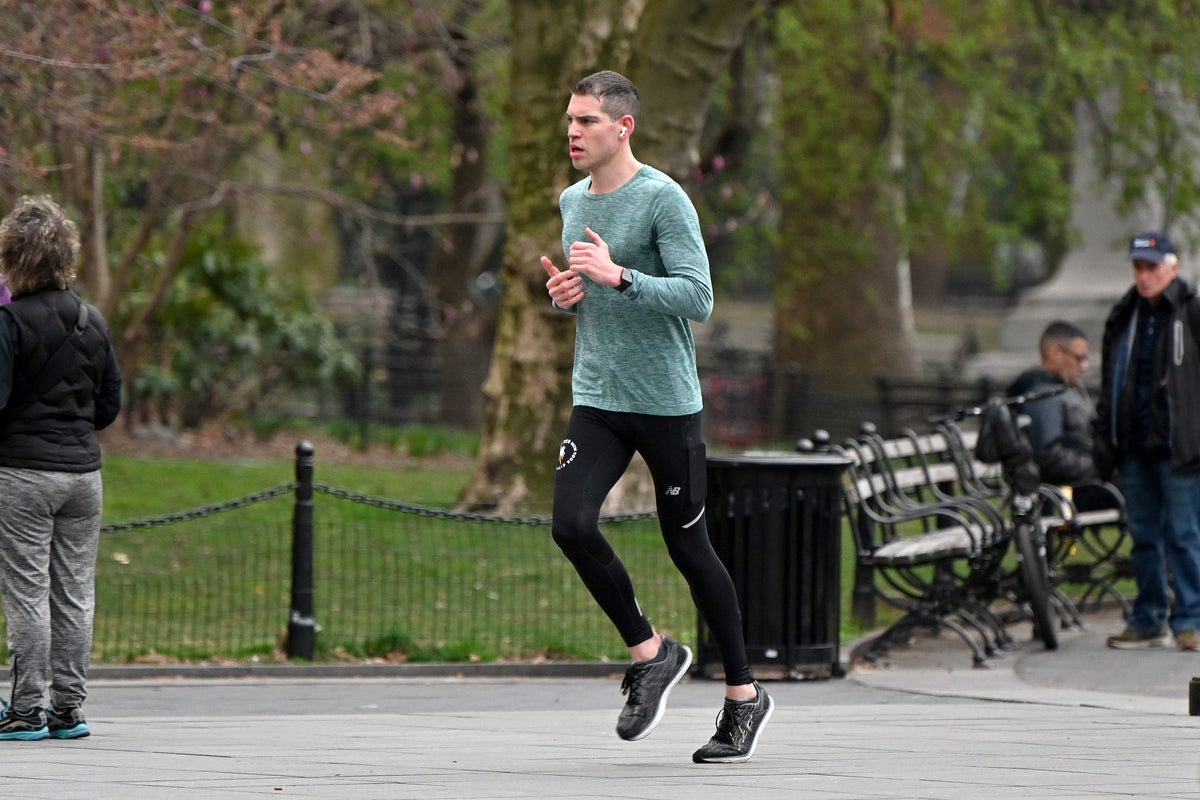
Experts advocate for cross-training with cycling as a powerful tool for runners to enhance both performance and recovery while minimizing injury risk. Running places considerable stress on joints, but cycling offers a low-impact alternative that targets the glutes, legs, and core, thereby reducing the likelihood of overuse injuries.
Research suggests that cyclists often outperform runners, with studies demonstrating faster running times after cycling sessions. This improvement is attributed to cycling's ability to build strength and endurance efficiently. Additionally, the activity boosts blood flow to the calves, quadriceps, and hamstrings, crucial for running muscles, which helps combat fatigue.
To integrate cycling effectively, runners can alternate longer runs with cycling days or combine both in shorter gym workouts. Physical therapists advise beginners to start with 15-minute sessions and gradually increase duration, emphasizing the importance of listening to one's body to prevent overexertion and maximize benefits.