Home / Health / Freezing Tumors: A New Hope for Elderly Cancer Patients
Freezing Tumors: A New Hope for Elderly Cancer Patients
23 Jan
Summary
- Cryoablation freezes breast tumors, offering an alternative to surgery.
- This method suits elderly patients with heart conditions and aggressive cancers.
- Success rates are high, but long-term outcomes are still under study.
Cryoablation, a groundbreaking therapy that freezes breast tumors, is providing a crucial alternative for elderly patients facing aggressive cancers and other co-morbidities. This minimally invasive procedure is emerging as a viable option for individuals deemed too high-risk for conventional surgery.
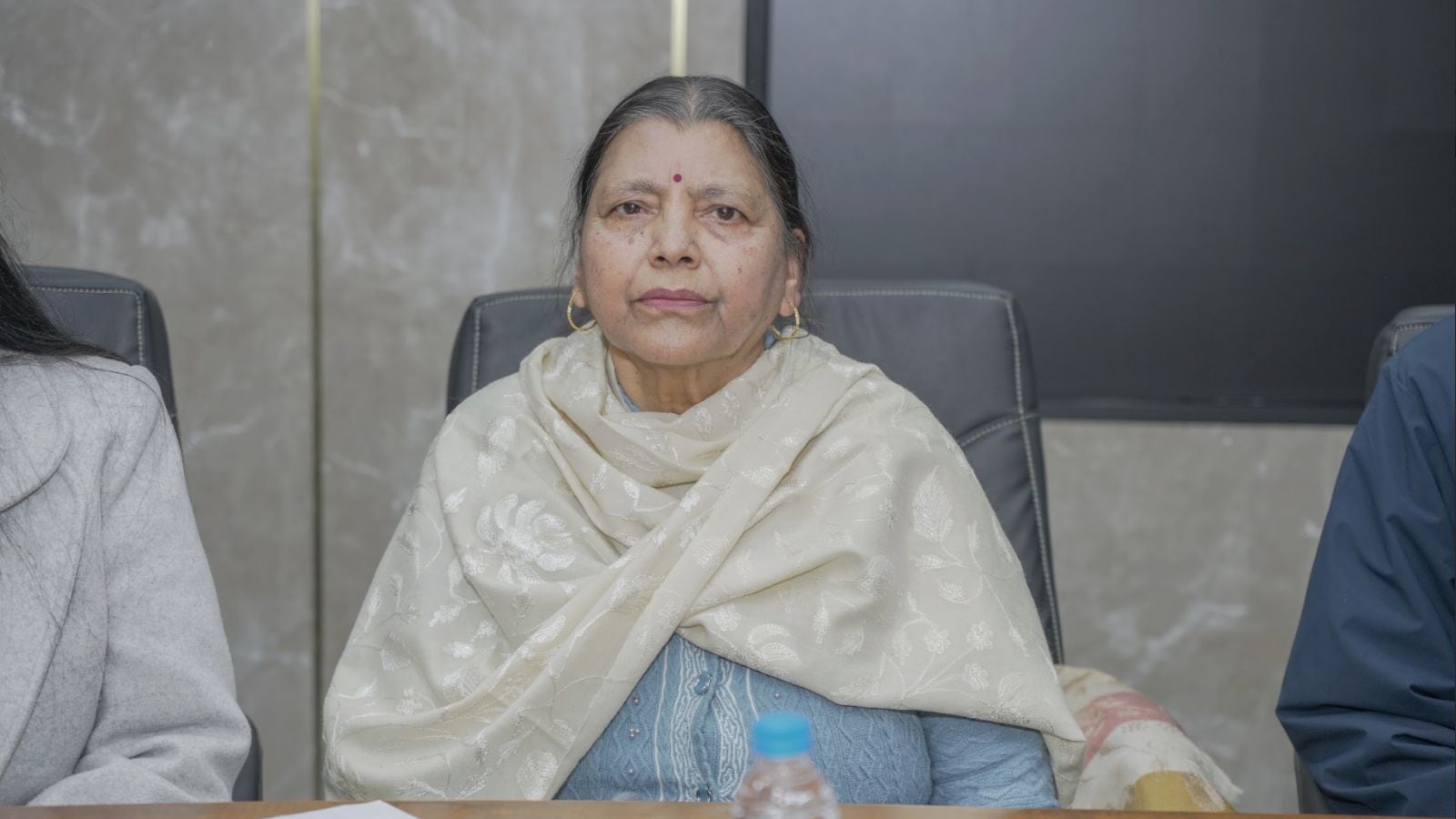
For patients like Chanderkala Lohani, 78, who was diagnosed with triple-negative breast cancer and hypertrophic cardiomyopathy, cryoablation offered a lifeline. Standard treatments such as general anesthesia surgery, chemotherapy, and radiotherapy were contraindicated due to her fragile heart condition and the cardiotoxic nature of some therapies.
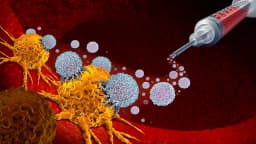
During cryoablation, a probe is inserted into the tumor under imaging guidance, and extremely cold temperatures are applied. This creates an ice ball that damages and kills cancer cells, which the body then gradually removes. The procedure is typically performed under local anesthesia, leading to a quicker recovery, minimal pain, and reduced scarring.
While surgery remains the primary treatment for breast cancer, cryoablation is suitable for selected early-stage tumors (T1 or T2, under 5 cm) that have not spread. Current research indicates high success rates, with some studies reporting nearly 100% ablation for very small tumors and over 90% for larger ones, comparable to lumpectomy outcomes in similar patient groups. However, it's noted that long-term outcomes are still being evaluated, and the treatment is not yet a standard replacement for surgery.