Home / Health / CPR: Save Lives With Quick Action
CPR: Save Lives With Quick Action
16 Feb
Summary
- CPR combines chest compressions and rescue breaths to maintain blood flow.
- Brain damage can start in 3-4 minutes without oxygen; survival drops per minute.
- Hands-only CPR by bystanders can significantly improve survival rates.
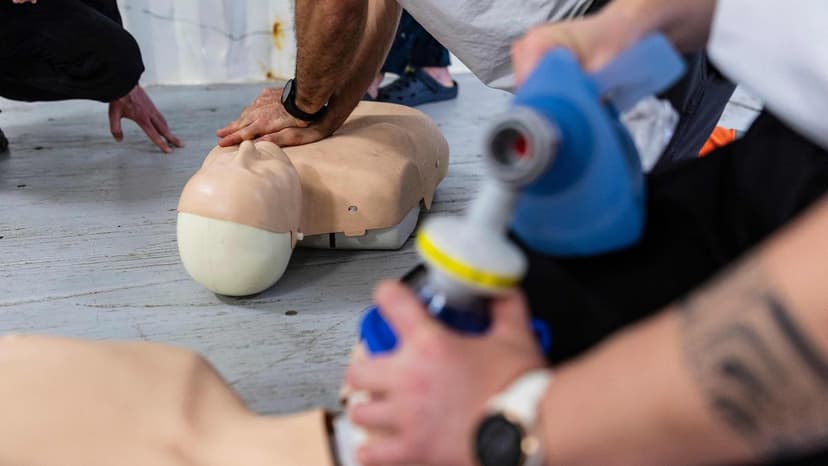
Cardiopulmonary resuscitation (CPR) is a critical emergency technique that can restore blood flow and oxygenation to the body when someone's heart stops beating or they stop breathing normally. It combines chest compressions and rescue breaths to mimic the heart's pumping action and deliver oxygen, helping to circulate blood carrying residual oxygen to vital organs like the brain until professional help arrives.
Without CPR, brain damage begins in 3 to 4 minutes due to oxygen deprivation, and survival chances drop 7-10% per minute delayed. Even untrained bystanders can perform 'hands-only' compressions effectively, doubling or tripling survival odds in out-of-hospital arrests.
When to perform CPR requires assessing the scene's safety, checking for responsiveness, and confirming abnormal breathing or absence of pulse. Emergency services should be called immediately, and an AED should be retrieved if available. CPR techniques vary for adults, children, and infants, with specific guidelines for compression depth, rate, and rescue breaths.
Common mistakes to avoid include compressions that are too shallow or slow, excessive ventilation, leaning on the chest, and stopping CPR prematurely. Continuous compressions are effective for adults if rescue breaths are not possible. Switching providers every two minutes can help manage fatigue.