

Home / Health / COVID-19 Lung Damage: Tiny Particles Key to Spread
COVID-19 Lung Damage: Tiny Particles Key to Spread
13 Apr
Summary
- Tiny particles from lung cells can make other cells vulnerable to infection.
- This mechanism helps explain widespread inflammation and organ damage in severe COVID-19.
- Targeting these protein transfers may offer a new treatment strategy for COVID-19.
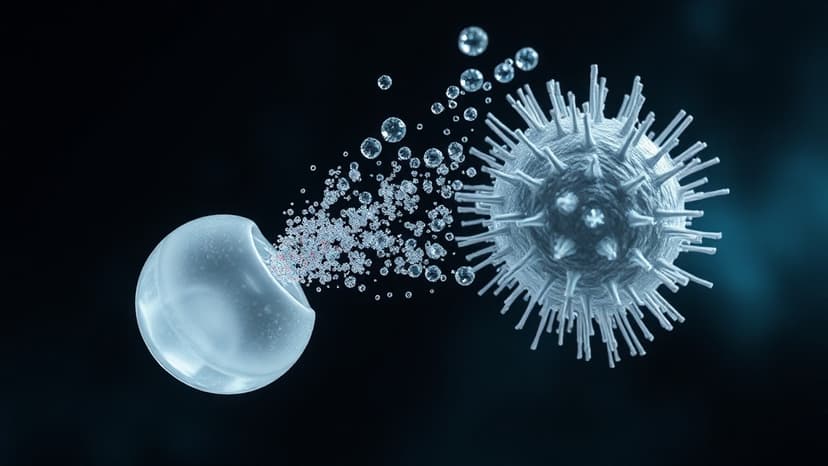
New research reveals a potential mechanism for how the virus causing COVID-19 spreads through the lungs. Scientists found that lung cells release tiny particles, known as extracellular vesicles, which carry key proteins used by the virus to enter cells.
These vesicles can be absorbed by other cells, including immune and blood vessel cells, making them susceptible to infection. This process may explain how COVID-19 affects various tissues, contributing to severe complications like clotting and organ failure.
The study, conducted in lab models, highlights that these particles act as delivery vehicles, expanding the virus's reach. Blocking these components was shown to reduce viral spread in laboratory settings.
This discovery points to a potential new treatment strategy: targeting the transfer of viral proteins between cells. Drugs designed to interfere with this process could potentially limit the virus's spread within the body and mitigate disease severity.
