Home / Health / Colorblindness: A hidden risk for bladder cancer?
Colorblindness: A hidden risk for bladder cancer?
10 Feb
Summary
- Colorblindness may delay bladder cancer diagnosis by 20 years.
- Colorblind patients have 52% higher mortality for bladder cancer.
- Early bladder cancer sign is blood in urine, missed by colorblind.
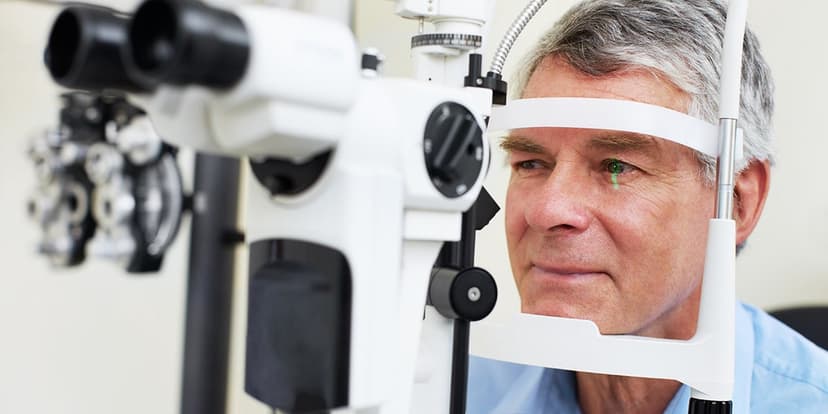
A recent study indicates a potential link between colorblindness and increased mortality risk for bladder cancer. Affecting approximately 8% of men, color vision deficiency can impair the recognition of blood in urine, a primary indicator of the disease. Researchers analyzed health records and found that colorblind bladder cancer patients exhibited a 52% higher mortality rate over two decades compared to their normally-sighted counterparts.
This correlation stems from the possibility that individuals with colorblindness may delay seeking medical attention upon noticing blood in their urine. Bladder cancer is notably more prevalent in men. Experts highlight that while colorblindness does not cause bladder cancer, it can obscure the earliest detectable symptom, potentially leading to worse outcomes.
Medical professionals are urged to be aware of this diagnostic gap. Informing doctors about color vision limitations is recommended for colorblind patients. Simple testing, such as urine tests during annual visits, and not relying solely on urine color are advised. Awareness and proactive measures are key to mitigating this risk.