Home / Health / Cocoanut Grove Fire: Burn Treatment Breakthrough
Cocoanut Grove Fire: Burn Treatment Breakthrough
29 Nov
Summary
- Deadliest US nightclub fire sparked medical innovations.
- Two hospitals offered contrasting burn treatments.
- New 'soft treatment' saved all its recipients.
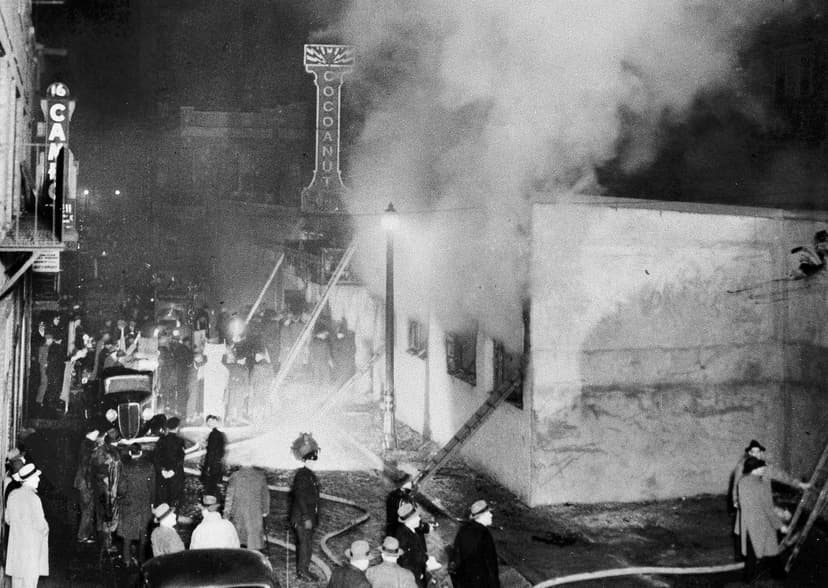
Eighty-four years ago on November 28, 1942, the Cocoanut Grove nightclub fire in Boston became the nation's deadliest, tragically spurring significant advancements in burn treatment. The fire, which occurred after an estimated 1,000 people packed the venue, led to a large-scale medical response.
Victims sent to Boston City Hospital received standard, aggressive treatments that resulted in a high mortality rate. However, at Massachusetts General Hospital, surgeon Oliver Cope pioneered a gentler approach.
Cope's 'soft treatment' involved penicillin to combat infection and petroleum jelly-infused gauze, avoiding harsh debridement and tannic acid. This method was remarkably successful.
All 39 patients treated with Cope's method survived and were discharged, establishing a new medical standard. This innovation, born from disaster, has since saved countless lives and also led to improved fire codes and understanding of trauma.
Despite the medical progress, 492 people perished in the fire. The owner, Barnet Welansky, was convicted of manslaughter, and the event spurred reforms in safety regulations and psychological care.


