
Home / Health / Climate Crisis: Pregnant Women Face New Health Risks
Climate Crisis: Pregnant Women Face New Health Risks
3 May
Summary
- Nearly 33 million affected by Pakistan floods, including 6.1 million pregnant women.
- Extreme heat linked to increased gestational diabetes, hypertension, and maternal complications.
- Community midwives trained to provide reproductive health in disaster zones.
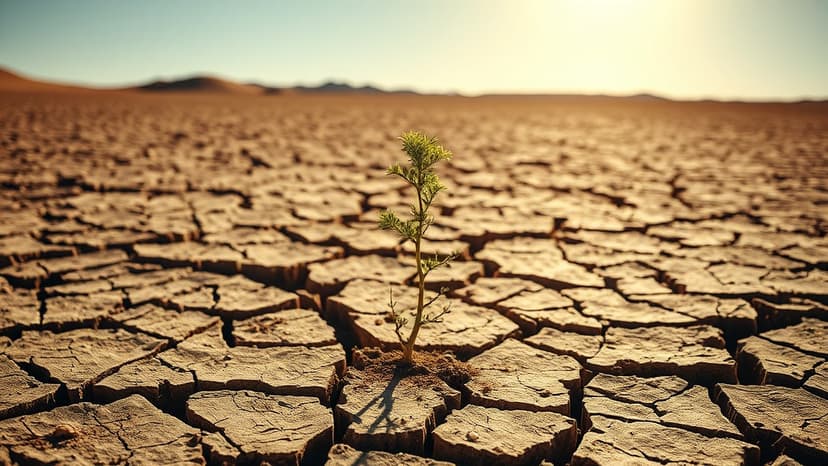
Climate change is increasingly impacting maternal and neonatal health, with devastating consequences observed in Pakistan. Following the 2022 floods, which affected nearly 33 million people, reproductive health services were identified as a critical gap in emergency responses. The Population Council Pakistan (PCP) intervened by training and equipping 106 community midwives (CMWs) to resume safe deliveries and provide essential care, assisting hundreds of births and family planning services.
Concurrently, extreme heat events are exacerbating health issues for pregnant women in urban areas like Karachi. Dr. Fatima Jehangir observes a rise in gestational diabetes, hypertension, and mental health challenges, potentially linked to poor living conditions and heat exposure. Dr. Jai Das's research further corroborates global evidence connecting heat to pre-eclampsia, low birth weight, and other severe complications.
These challenges extend to healthcare providers as well; midwives working in extreme heat face immense strain. Experts advocate for practical measures to mitigate heat risks, including adjusted work schedules and increased hydration, particularly for vulnerable pregnant women and essential healthcare workers. Preparedness and climate-resilient healthcare are paramount, especially in regions like Pakistan, which are at the forefront of the climate crisis.
