Home / Health / Cleaning Sprays Harm Lungs More Than Swallowing?
Cleaning Sprays Harm Lungs More Than Swallowing?
5 Apr
Summary
- Inhaling QACs in cleaners causes 100x more lung injury.
- QACs linked to low mitochondrial energy and fatigue.
- Common disinfectants like Lysol may cause lung damage.
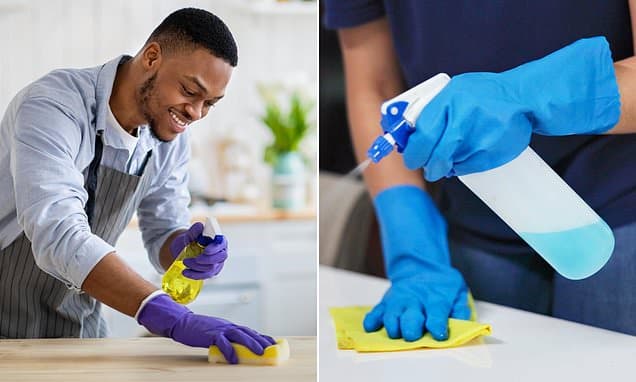
A new study suggests that inhaling particles from common cleaning products could lead to severe lung damage, potentially posing a greater risk than accidental ingestion. Researchers found that quaternary ammonium compounds (QACs), a key ingredient in many UK disinfectant sprays like Lysol and Clorox, cause significantly more harm to the lungs when airborne. Experiments on mice exposed to similar levels of disinfectant spray particles as humans experience indoors showed a 100-fold increase in lung injury and lethality compared to oral exposure.
These findings raise concerns about the widespread use of QAC-based disinfectant sprays. Past research indicated that a significant portion of the population has QACs in their bloodstream. The substance is thought to impair cellular energy production, with high QAC levels correlating to lower mitochondrial energy. This deficit is associated with chronic fatigue, muscle weakness, and brain fog. Additionally, QAC exposure has been linked to skin and eye irritation, metabolic issues, and serious lung conditions such as asthma and COPD.


