Home / Health / New 'Disease Bridge' Connects Cities to Wildlife Pathogens
New 'Disease Bridge' Connects Cities to Wildlife Pathogens
13 Feb
Summary
- Urban expansion creates a 'disease bridge' for pathogens.
- Habitat fragmentation favors generalist species carrying viruses.
- Human behavior and urban heat islands increase spillover risk.
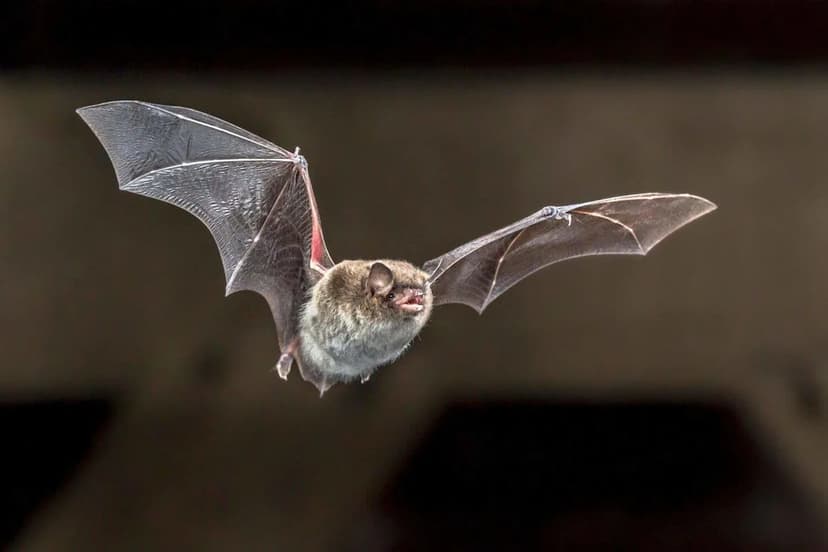
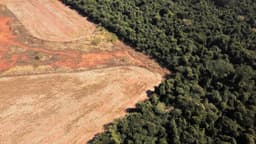
As urban areas expand into natural habitats, a 'disease bridge' is forming, facilitating the movement of pathogens from wildlife to humans. This phenomenon is driven by habitat fragmentation, which favors adaptable species like rats and bats that can host and transmit viruses. These generalist species thrive in human-altered landscapes, increasing the frequency of contact between wildlife and people.
Factors such as unsecured waste, standing water in artificial containers, and urban heat islands create ideal conditions for pathogen transmission. Mosquitoes, in particular, benefit from these changes, acting as vectors for diseases like West Nile, dengue, and Zika. The proximity of natural areas to dense housing further simplifies the pathways for viruses to jump species boundaries.
The 'One Health' approach recognizes the interconnectedness of human, animal, and environmental health, advocating for integrated strategies to prevent outbreaks. Smart urban planning, responsible waste management, and community practices that reduce wildlife-human contact are crucial in breaking down this disease bridge and mitigating future risks.