Home / Health / Cincinnati's Opioid Crisis: A Decade of Pain, Now Hope
Cincinnati's Opioid Crisis: A Decade of Pain, Now Hope
16 Jan
Summary
- Carfentanil, an elephant tranquilizer, caused an overdose spike in 2016.
- Ohio saw nearly 3,500 opioid deaths in 2016, a 35% increase.
- Overdose deaths have declined for four consecutive years in Cincinnati.
Cincinnati, Ohio, a city once at the epicenter of America's opioid crisis, is now experiencing a significant and sustained reduction in overdose deaths. A decade ago, the streets of Cincinnati became a critical battleground during the nation's deadliest drug crisis, particularly in August 2016 when carfentanil, a potent synthetic opioid, first appeared on the streets. This event drastically increased overdose fatalities in Ohio, contributing to nearly 3,500 opioid-involved deaths that year, a 35% rise from the previous year.
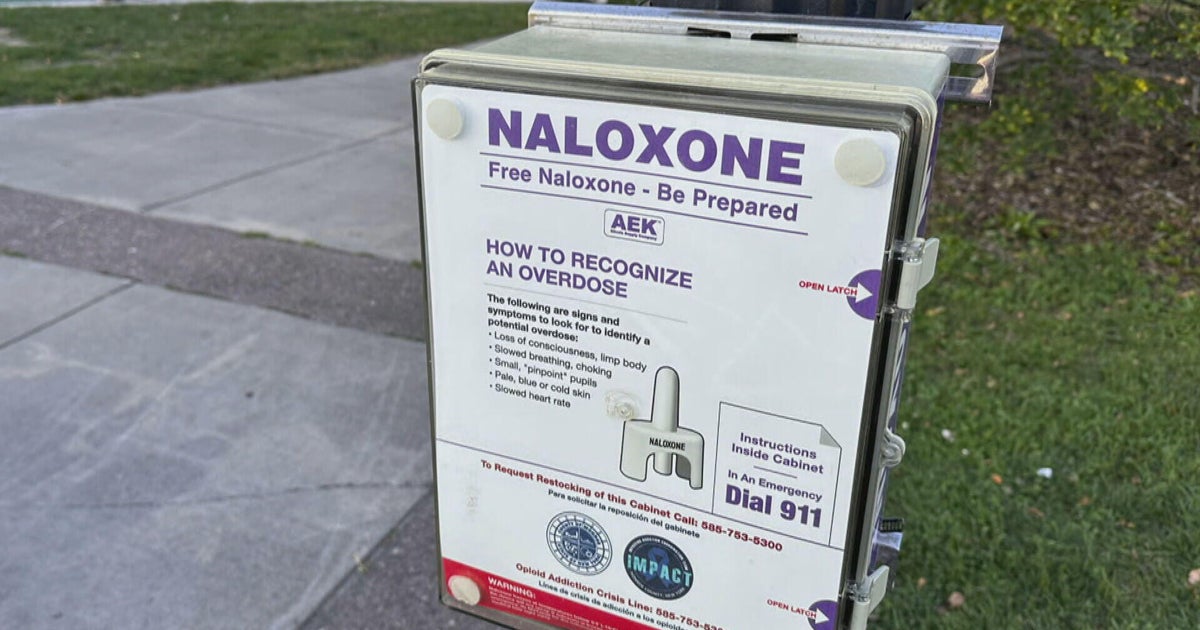
Nearly a decade later, the landscape has dramatically shifted. Police Chief Tom Synan notes that the region has seen a reduction in overdose deaths for the fourth consecutive year. This positive trend mirrors a nationwide decrease, with overdose deaths falling from a peak of 111,000 in the 12 months ending in August 2023 to an estimated 73,000 for the 12 months ending in August 2025. Researchers attribute this decline partly to the increased use of the overdose antidote naloxone and a decrease in the potency of illicit drugs originating from China.
The approach to combating the crisis is evolving, with a focus on both enforcement and treatment. While some, like President Trump, advocate for a hardline stance, labeling illicit fentanyl a "weapon of mass destruction," others emphasize that decades of the "war on drugs" have not eradicated the problem. Chief Synan highlights the critical role of addiction treatment programs, supported by federal funding, in checking on addicts and providing essential help, suggesting that treatment is a more effective strategy than solely relying on enforcement.