Home / Health / Girl's Rare Dementia Battle: A Race Against Time
Girl's Rare Dementia Battle: A Race Against Time
29 Jan
Summary
- Childhood dementia diagnosed at three, impacting communication and mobility.
- Treatment offers extended life but is not a cure, buying crucial years.
- Family advocates for government to secure future drug access.
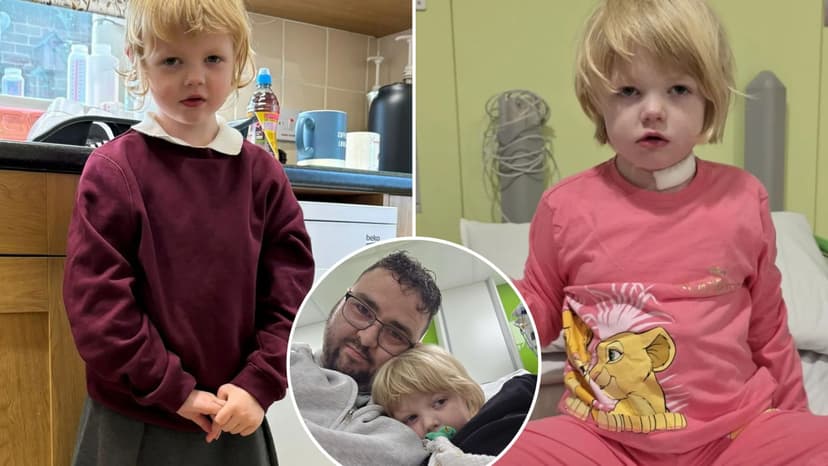
Holly Nayler was diagnosed with CLN2 Batten Disease, a rare form of childhood dementia, shortly before her third birthday. This progressive condition will lead to a loss of communication, mobility, and the ability to eat independently. Without treatment, life expectancy for children with this disease is typically between five and eight years old.
The family has opted for a treatment involving regular brain infusions, which, while not a cure, aims to slow the disease's progression and extend Holly's life into her late teens. This treatment is administered via the NHS, following an access agreement that is currently under review.
Despite the significant costs associated with the drug, estimated at over £500,000 per year per child, James Nayler, Holly's father, is urging the government to ensure continued access. He highlights that the drug has significantly improved the quality of life for many children, even though Holly's seizures have worsened.
The family is also raising funds to support travel to Great Ormond Street Hospital and provide comforts for Holly. They emphasize the importance of awareness and continued support for children battling this rare and devastating disease.