Home / Health / Cosmeticorexia: The New Childhood Epidemic
Cosmeticorexia: The New Childhood Epidemic
14 Aug
Summary
- Children are developing 'cosmeticorexia,' an obsession with beauty products.
- Social media and influencers fuel this premature interest in adult cosmetics.
- Harmful chemicals in products pose health risks and cause psychological distress.
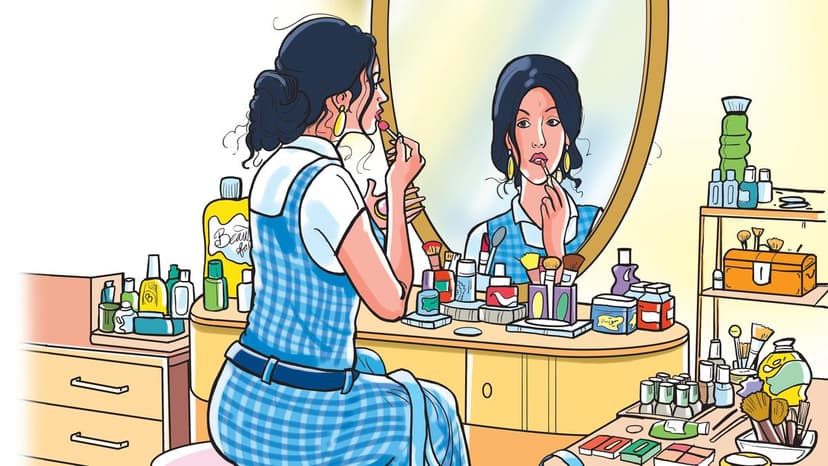
A growing obsession with beauty products, termed 'cosmeticorexia,' is reshaping modern childhood. Driven by social media feeds and young online influencers, girls are increasingly shifting towards multi-step skincare routines and adult cosmetics. What begins as curiosity quickly transforms into a rigid daily ritual, as young minds mimic the flawless aesthetics seen on screens. This premature transition carries alarming consequences for mental and physical development, with experts warning of health issues from harsh chemicals and profound psychological impacts like deep-seated insecurities.
Teachers are witnessing this obsession not as a passing phase but as a clinical dependency. The preoccupation with mirrors and beauty products is beginning to eclipse academic engagement. School administrators face challenges in enforcing discipline codes due to potential accusations of harassment or violating child rights. Experts emphasize that appearance-focused social media is linked to body dissatisfaction and anxiety among vulnerable children and adolescents.
Raids have uncovered dangerous contraband face creams containing excessively high levels of toxic heavy metals. Experts caution that cosmetic products can trigger allergic reactions and that unintentional ingestion of lip products can lead to heavy metal contamination. Traditional kohl and kajal preparations may also elevate blood lead levels in children. A simple skincare routine with a gentle cleanser, moisturizer, and sunscreen is usually sufficient for healthy children.
Child psychiatrists report a surge in young patients fixated on physical appearance, experiencing severe anxiety and body dysmorphia. A significant driver is misinformation consumed on social media regarding nutrition and beauty. When these anxieties take root, children often turn to peers for advice, exchanging dangerous coping mechanisms. This phenomenon has transformed into a full-blown crisis, prompting initiatives like 'lipstick-free campus' campaigns to help students break free from the cycle.


