Home / Health / Chikungunya Surge: UK Faces Tropical Virus Threat
Chikungunya Surge: UK Faces Tropical Virus Threat
26 Mar
Summary
- Chikungunya cases in the UK surged by 43% last year, reaching highest levels since 2014.
- The virus causes sudden high fever and severe, prolonged joint pain in infected individuals.
- Two chikungunya vaccines are now available privately in the UK for travelers.
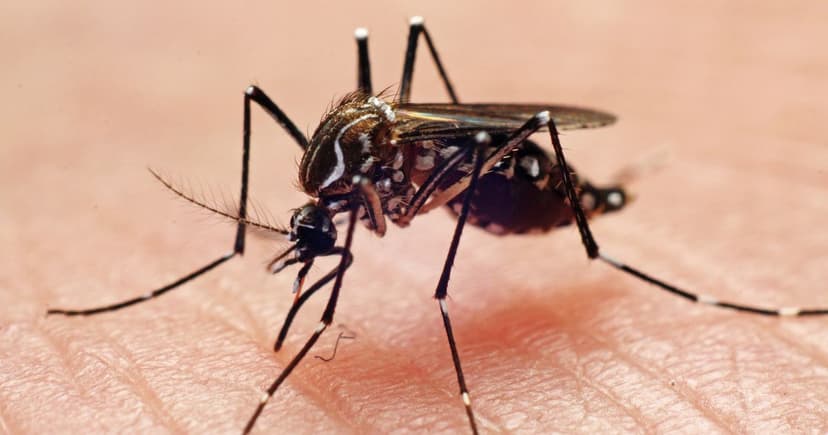
Cases of the chikungunya virus detected in the UK have seen a substantial increase, rising by 43% in the past year to reach their highest point since 2014. This tropical infection is transmitted by Aedes mosquitoes and can lead to sudden, severe fever and debilitating joint pain that may persist for months, though it is rarely fatal.
Most chikungunya infections are acquired abroad between April and September, with India, Sri Lanka, and Bangladesh being frequently cited destinations. In response to the growing number of imported cases, two chikungunya vaccines have recently been approved for private use in the UK.
Meanwhile, imported malaria cases, though slightly down in 2025, remain a concern. Health authorities are emphasizing the importance of mosquito bite prevention, including using repellents and insecticide-treated nets, for all travelers during the Easter and spring holiday periods. Consultation with travel health clinics four to six weeks before departure is advised for personalized guidance.