Home / Health / Cannabis Compounds Combat Fatty Liver in Mice
Cannabis Compounds Combat Fatty Liver in Mice
19 Mar
Summary
- CBD and CBG show promise in reversing fatty liver in mice.
- Compounds improve blood sugar, reduce liver fat, and lower lipids.
- CBG demonstrates greater effectiveness than CBD in the study.
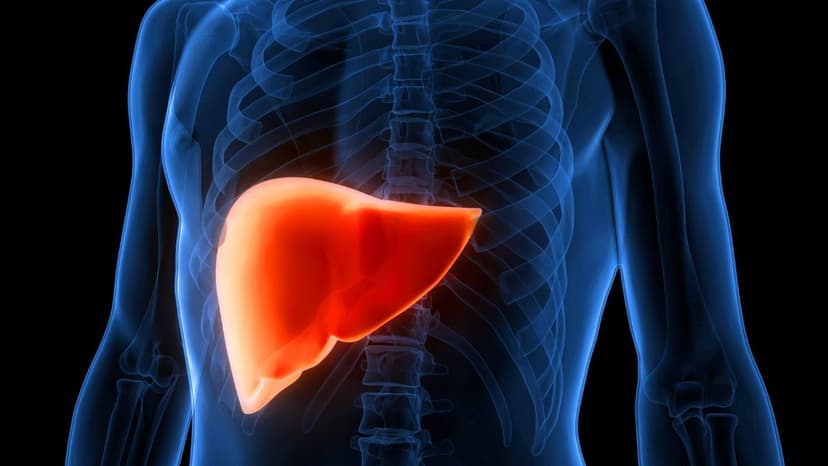
New research indicates that CBD and CBG, two compounds found in cannabis, may offer a path to reversing fatty liver disease in mice. Scientists at the Hebrew University of Jerusalem observed that daily injections of either CBD or CBG in obese mice led to improved blood sugar control, reduced liver fat, and lower blood lipid levels. These positive effects were largely independent of classical cannabinoid receptors.
The study revealed that these cannabinoids enhance the production of phosphocreatine, a crucial molecule for liver energy supply and cellular health. After four weeks on a high-fat diet, the mice treated with CBD and CBG showed restored liver function. CBG proved especially effective, significantly reducing body fat, lowering "bad" cholesterol, and increasing insulin sensitivity compared to CBD.
These findings suggest that CBD and CBG could be promising therapeutic agents for metabolic dysfunction-associated steatotic liver disease (MASLD), a widespread condition affecting about a third of the global adult population. Unlike THC, CBD and CBG do not appear to cause intoxication, making them potentially safer for medicinal use. However, further research is required to confirm these effects in humans and to determine optimal delivery methods, as current CBD products are not always well-regulated.