feedzop-word-mark-logo
searchLogin
Feedzop
homeFor YouIndiaIndia
You
bookmarksYour BookmarkshashtagYour Topics
Trending
Terms of UsePrivacy PolicyAboutJobsPartner With Us

© 2026 Advergame Technologies Pvt. Ltd. ("ATPL"). Gamezop ® & Quizzop ® are registered trademarks of ATPL.

Gamezop is a plug-and-play gaming platform that any app or website can integrate to bring casual gaming for its users. Gamezop also operates Quizzop, a quizzing platform, that digital products can add as a trivia section.

Over 5,000 products from more than 70 countries have integrated Gamezop and Quizzop. These include Amazon, Samsung Internet, Snap, Tata Play, AccuWeather, Paytm, Gulf News, and Branch.

Games and trivia increase user engagement significantly within all kinds of apps and websites, besides opening a new stream of advertising revenue. Gamezop and Quizzop take 30 minutes to integrate and can be used for free: both by the products integrating them and end users

Increase ad revenue and engagement on your app / website with games, quizzes, astrology, and cricket content. Visit: business.gamezop.com

Property Code: 5571

Home / Health / Cancer Treatment Timing Boosts Survival

Cancer Treatment Timing Boosts Survival

7 Feb

•

Summary

  • Morning immunotherapy treatments nearly doubled cancer progression-free survival.
  • Patients receiving early treatment lived almost a year longer on average.
  • Blood tests showed more cancer-fighting immune cells in early treatment groups.
Cancer Treatment Timing Boosts Survival

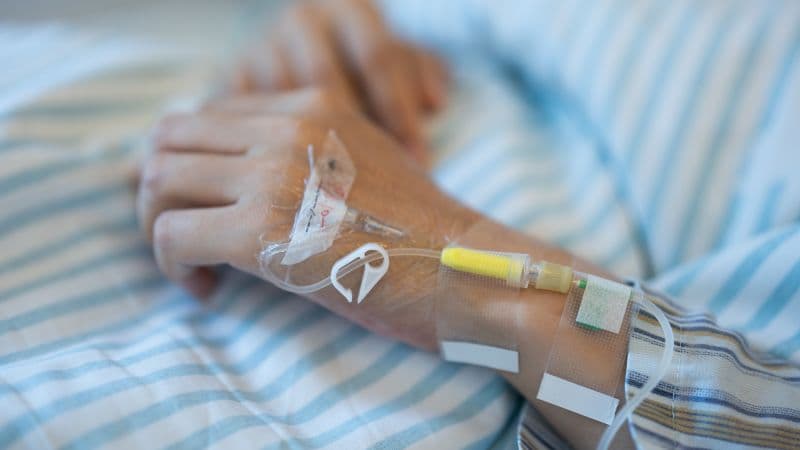
A groundbreaking study published in Nature Medicine has revealed a significant link between the timing of cancer immunotherapy and patient survival rates. Researchers found that administering treatments earlier in the day, specifically before 3 p.m., led to substantially better outcomes for non-small-cell lung cancer patients.

The study, which enrolled 210 patients, demonstrated that those receiving their first immunotherapy rounds in the morning had, on average, 11.3 months without cancer progression, nearly double that of patients treated after 3 p.m. (5.7 months).

Furthermore, the early treatment group lived almost a year longer on average. At the study's conclusion after more than 28 months, approximately 45% of patients treated in the morning were still alive, compared to about 15% in the later treatment group.

trending

Justice Dept. Epstein files access

trending

ACC drops German gigafactory

trending

House of the Dragon vs Thrones

trending

Ola Uber Rapido strike

trending

Afghanistan spin threatens New Zealand

trending

Inter Miami plays Barcelona SC

trending

Warriors vs Lakers live stream

trending

Fiorentina vs Torino: Line-ups

trending

Real Sociedad vs Elche preview

This timing advantage is thought to be linked to the body's circadian rhythms, which influence immune cell activity. Blood tests indicated higher numbers of cancer cell-killing immune cells in patients who received treatment earlier in the day. The findings suggest that the initial exposure of T cells to immunotherapy drugs during peak morning activity may be critical for long-term success.

While experts are calling the results "exceptionally compelling," they also urge caution and emphasize the need for replication in other patient groups and across different continents. Studies are already underway to confirm these findings in melanoma patients, aiming to further investigate this potentially revolutionary aspect of cancer treatment. The size of the observed effect suggests that optimizing treatment schedules could significantly improve patient prognoses.

Disclaimer: This story has been auto-aggregated and auto-summarised by a computer program. This story has not been edited or created by the Feedzop team.
Administering immunotherapy treatments earlier in the day, before 3 p.m., has been linked to significantly longer survival rates and increased progression-free survival in lung cancer patients.
Patients receiving immunotherapy earlier in the day lived almost a year longer on average compared to those treated later.
The effectiveness might be due to the body's circadian rhythms, where immune cells like T cells are more active in the morning, potentially leading to a stronger response to immunotherapy drugs.

Read more news on

Healthside-arrow

You may also like

TB misdiagnoses: Millions wrongly told they have it

1 day ago • 8 reads

article image

Cancer Survivor Cycles UK on Chopper for Charity

2 Feb • 50 reads

article image

US Cancer Survival Hits Record Highs

13 Jan • 165 reads

article image

Cancer Treatment Timing Matters: Early Doses Boost Survival

23 Dec, 2025 • 221 reads

article image

Cancer Patients Fund Own Chemo Amid NHS Wait Woes

21 Dec, 2025 • 272 reads

article image