Home / Health / 'Weird' Procedure Transforms Lives With Cadaver Fat
'Weird' Procedure Transforms Lives With Cadaver Fat
16 Mar
Summary
- A new procedure uses fat from deceased donors for body contouring.
- It aims to restore volume lost due to weight loss, especially from GLP-1 drugs.
- The FDA-approved filler, Alloclae, is currently only available in the US.
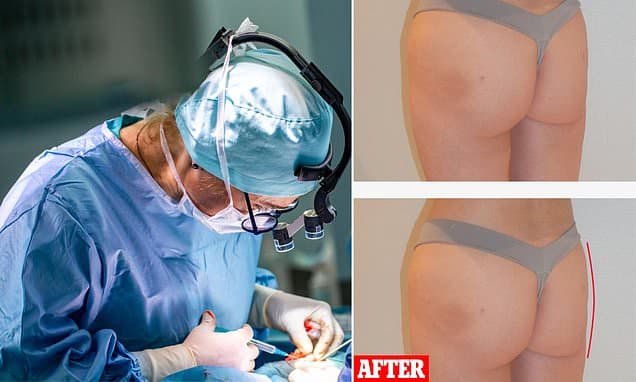
A revolutionary aesthetic procedure is gaining traction, utilizing fat derived from deceased donors to enhance body contours. This innovative treatment, known as Alloclae, was developed by Tiger Biosciences and has been approved by the FDA. It aims to restore volume in areas where it has been lost, a common concern for individuals undergoing significant weight loss, particularly those using GLP-1 medications.
Unlike traditional fat grafting, which requires a patient's own body fat, Alloclae offers an 'off-the-shelf' solution. The donor tissue is processed to retain its structural integrity, allowing the recipient's stem cells to integrate with the implanted scaffolding. This integration results in natural-looking volume that is indistinguishable from the patient's own tissue within six months.
The procedure, typically lasting 30 to 60 minutes, is most commonly used for the breasts, buttocks, and to correct "hip dips." While the concept of using cadaver tissue may seem unconventional, surgeons emphasize its safety and efficacy, likening it to a breakthrough in addressing an unmet need in plastic surgery.
Alloclae is currently only available in the United States, with an estimated cost of $30,000 for breast augmentation. Despite the significant price, demand is high, with some patients traveling internationally for the treatment. The limited supply is attributed to the nature of tissue donation, which cannot be manufactured indefinitely.
Tiger Biosciences ensures the rigorous screening of donors and adherence to FDA regulations. While potential risks exist, including infection and discoloration, patients report life-changing results and increased confidence. The procedure is noted for providing more permanent and consistent results compared to traditional fat grafting, where transferred fat can still respond to body weight fluctuations.