Home / Health / Bushfire Smoke Threatens Seniors' Hearts
Bushfire Smoke Threatens Seniors' Hearts
18 Feb
Summary
- Long-term bushfire smoke exposure may raise heart disease hospitalization risk in older adults.
- Study linked higher average smoke exposure to increased hospital admissions for heart conditions.
- Socioeconomic factors and moderate smoke levels showed strongest associations with risks.
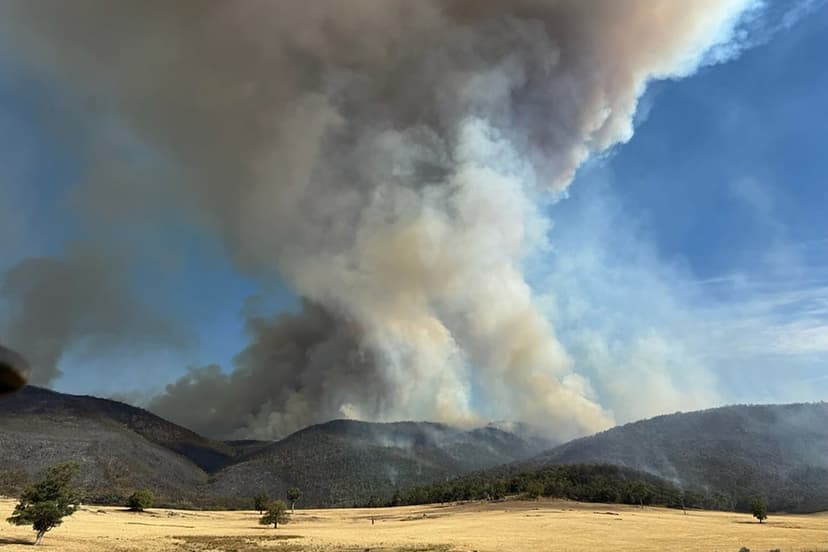
New research indicates that prolonged exposure to bushfire smoke significantly increases the risk of hospitalization for heart disease in individuals aged 65 and over. Analysis of extensive hospital records revealed a direct correlation between higher average exposure to fine particle pollution from wildfires and an increased likelihood of admission for cardiovascular issues.
The study identified elevated risks for overall cardiovascular disease, ischemic heart disease, and arrhythmias. Notably, the strongest associations were observed among those with moderate smoke exposure and individuals from lower socioeconomic backgrounds. This cumulative effect over several years underscores the profound health consequences of widespread wildfire smoke, especially as climate change intensifies fire events.
Recent research also suggests potential links between bushfire smoke and mental health crises in children. Hospital visits related to children's mental health saw an increase following exposure to bushfire pollution. Climate scientists predict more frequent and intense wildfires due to rising temperatures and drought, necessitating public health strategies to mitigate smoke exposure and protect vulnerable populations.