Home / Health / Burnt Food & Cancer: Separating Fact from Fear
Burnt Food & Cancer: Separating Fact from Fear
27 Feb
Summary
- Acrylamide forms in high-starch foods cooked at high temperatures.
- Studies on rodents show carcinogenicity, but human evidence is inconsistent.
- No conclusive evidence links dietary acrylamide to cancer in humans.
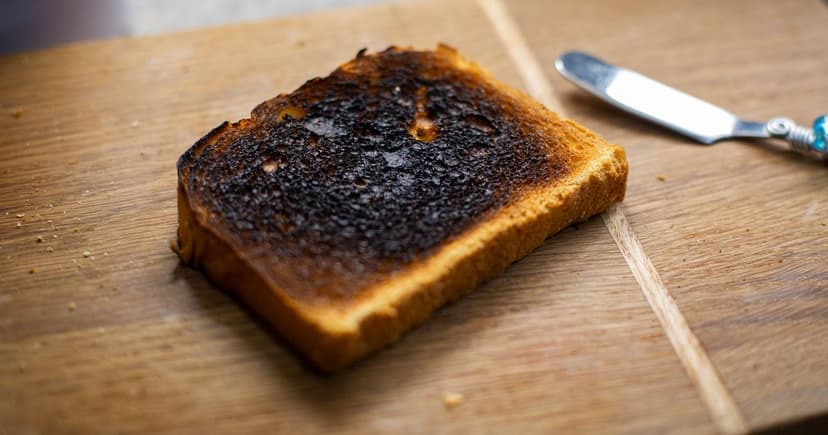
A widespread concern suggests that consuming burnt food can lead to cancer. This belief gained traction in 2002 when Swedish researchers identified acrylamide in fried and baked goods, labeling it a probable carcinogen and suggesting it could cause hundreds of annual cancer cases.
Subsequent studies, including one by the US National Toxicology Program in 1991 and the European Food Safety Authority in 2015, highlighted acrylamide as a potential cancer risk. However, scientists emphasize that much of this evidence stems from rodent studies, which do not directly translate to humans.
Despite its classification, extensive human epidemiological studies have found no consistent link between dietary acrylamide and cancer risk. Experts note that while acrylamide is a toxic substance used industrially, the amount consumed through food and its actual impact on human health remain subjects of ongoing investigation.