Home / Health / Brexit Blocks UK Kids' Cancer Drug Trial
Brexit Blocks UK Kids' Cancer Drug Trial
12 Jul
Summary
- UK children with rare brain cancer are excluded from a crucial drug trial.
- Brexit has delayed access to the potentially life-extending Biomede trial.
- Cancer Research UK urges a reset of UK-EU relations for treatment access.
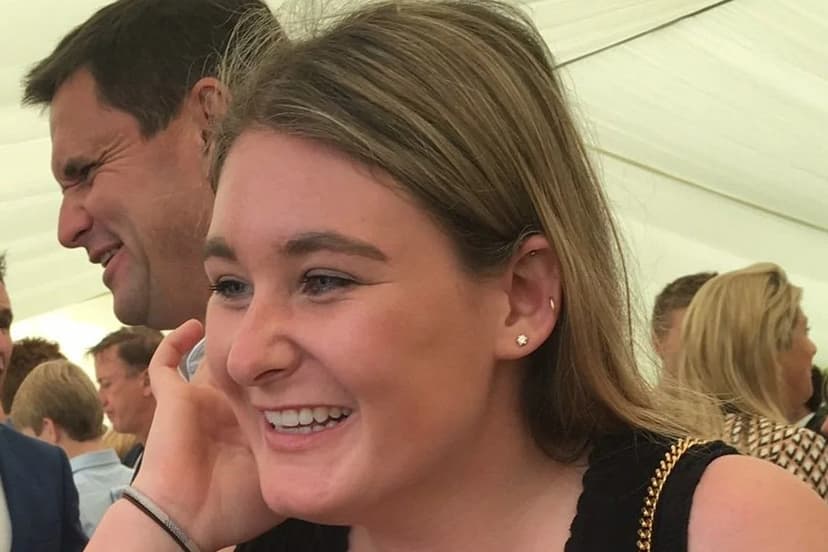
Children in the UK diagnosed with Diffuse Intrinsic Pontine Glioma (DIPG), an incurable brainstem cancer, are being denied access to a potentially life-extending drug trial. The Biomede trial, which tests an approved US drug combined with radiotherapy, has been approved in Europe but its second phase in the UK is delayed. This delay stems from the UK's departure from the EU, meaning it is no longer part of the European regulatory framework for clinical trials that began in 2022.
Cancer Research UK reports that Brexit has led to increased costs and delays in launching clinical trials. Researchers note it has become harder to initiate trials with EU scientists and recruit participants to UK studies since Brexit. Laura Williams from Cancer Research UK highlighted that many children's cancer doctors rely on international funding for trials, and such delays can mean a trial is a patient's only treatment option.
Professor Chris Jones stated that DIPG tumours are unique, making adult cancer treatments ineffective, and the survival rate is currently near zero. The international Biomede trial, which began in 2017 and included patients from several countries, faces regulatory hurdles in the UK. The Department of Health and Social Care maintains its clinical trials regulations align with the EU where appropriate, aiming to speed up access to new treatments.


