feedzop-word-mark-logo
searchLogin
Feedzop
homeFor YouIndiaIndia
You
bookmarksYour BookmarkshashtagYour Topics
Trending
Terms of UsePrivacy PolicyAboutJobsPartner With Us

© 2026 Advergame Technologies Pvt. Ltd. ("ATPL"). Gamezop ® & Quizzop ® are registered trademarks of ATPL.

Gamezop is a plug-and-play gaming platform that any app or website can integrate to bring casual gaming for its users. Gamezop also operates Quizzop, a quizzing platform, that digital products can add as a trivia section.

Over 5,000 products from more than 70 countries have integrated Gamezop and Quizzop. These include Amazon, Samsung Internet, Snap, Tata Play, AccuWeather, Paytm, Gulf News, and Branch.

Games and trivia increase user engagement significantly within all kinds of apps and websites, besides opening a new stream of advertising revenue. Gamezop and Quizzop take 30 minutes to integrate and can be used for free: both by the products integrating them and end users

Increase ad revenue and engagement on your app / website with games, quizzes, astrology, and cricket content. Visit: business.gamezop.com

Property Code: 5571

Home / Health / New Brain Region Linked to High Blood Pressure

New Brain Region Linked to High Blood Pressure

13 Jan

•

Summary

  • A little-known brain region, the lateral parafacial area, may trigger high blood pressure.
  • Activating this brain region in rats caused blood vessels to tighten, raising pressure.
  • Inhibiting the region normalized blood pressure in rat studies, offering new treatment hopes.
New Brain Region Linked to High Blood Pressure

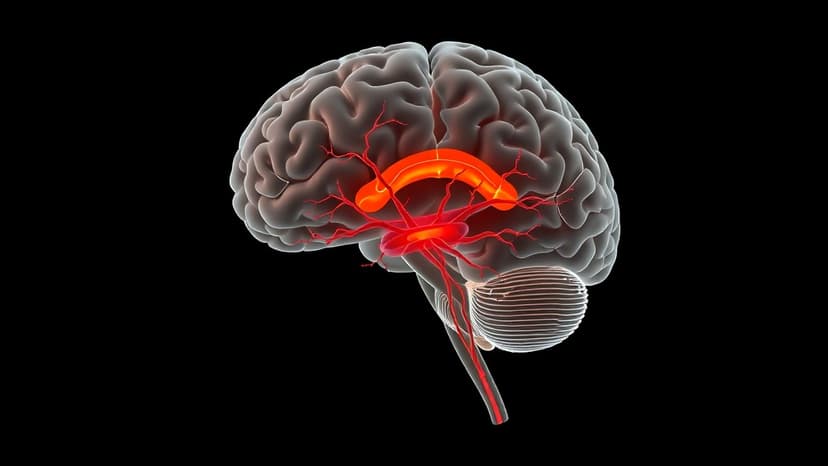
Researchers in New Zealand have pinpointed a small, obscure region in the brainstem, known as the lateral parafacial region, as a potential culprit behind high blood pressure. This area controls automatic bodily functions and, in recent studies involving rats, was found to actively trigger nerves that constrict blood vessels. This constriction directly leads to an increase in blood pressure, a condition known as hypertension.

The research team demonstrated this link by manipulating the lateral parafacial region in laboratory rats. When they activated the nerves within this region, blood pressure significantly rose, accompanied by forced exhalations. However, upon inhibiting the same neural pathways, blood pressure returned to normal levels, offering a novel insight into hypertension's origins.

trending

Afghan student found dead at MSU

trending

KNRUHS scraps maternity fee

trending

IIT JAM 2026 admit card

trending

Blinkit ends 10-minute delivery

trending

SBI Clerk Mains Result Soon

trending

Michigan State vs Indiana

trending

Tata Punch facelift launched

trending

Gujarat Giants vs Mumbai Indians

trending

Delhi takes on Vidarbha

While the study was conducted on rodents, scientists are hopeful that these findings could pave the way for new treatments for hypertension. Current treatments primarily focus on lifestyle changes and medications that relax blood vessels. This discovery suggests that therapies aimed at calming specific overactive nerves in the brain could offer an alternative or complementary approach to managing the condition.

Disclaimer: This story has been auto-aggregated and auto-summarised by a computer program. This story has not been edited or created by the Feedzop team.
A new study suggests the lateral parafacial region, a bundle of nerves in the brainstem, may be linked to high blood pressure.
Researchers in New Zealand activated and inhibited the lateral parafacial region in rats, monitoring their blood pressure changes.
Yes, findings suggest potential new treatments focusing on calming overactive nerves in this newly identified brain region.

Read more news on

Healthside-arrow

You may also like

Childhood BP Soars: Double in 20 Years!

9 Jan • 33 reads

article image

Energy Drinks Linked to Stroke Risk

10 Dec, 2025 • 147 reads

article image

Young Man's Stroke: Preventable BP Crisis

8 Dec, 2025 • 143 reads

article image

Heart Health Alert: Ditch the Ice-Cold Water!

8 Dec, 2025 • 168 reads

article image

Expert's 2-Word Tip: 'Get Moving' for Lower Blood Pressure

6 Dec, 2025 • 184 reads

article image