
Home / Health / Brain Tumor vs. Cancer: Understanding the Difference
Brain Tumor vs. Cancer: Understanding the Difference
7 Jun
Summary
- Brain tumors are growths; cancer describes their aggressive behavior.
- Benign tumors can still cause harm due to skull's confined space.
- Timely medical evaluation is crucial for all brain tumors.
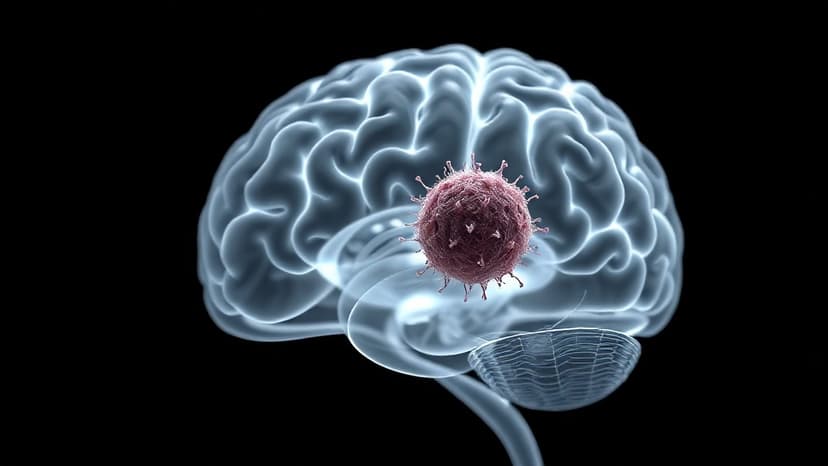
The terms "brain tumor" and "brain cancer" are often confused, yet they signify different conditions. A brain tumor refers to any abnormal growth of cells within or around the brain, which can be either benign (non-cancerous) or malignant (cancerous).
While benign tumors do not spread aggressively, they can still cause serious health issues. The skull's rigid structure limits space, meaning even non-cancerous growths can press on vital brain areas, leading to symptoms like headaches or seizures.
Malignant tumors, or brain cancer, are cancerous growths that invade surrounding tissue and may recur. The distinction between benign and malignant is crucial as it dictates diagnosis, treatment, and prognosis. Symptoms alone cannot determine if a tumor is cancerous; medical evaluation, imaging, and sometimes biopsies are necessary.
Experts stress that regardless of whether a tumor is cancerous, prompt medical attention is essential. Early diagnosis through neuroimaging and expert assessment can significantly improve treatment outcomes and preserve quality of life. Persistent neurological symptoms should never be ignored, as timely intervention is key to effective management.
