Home / Health / Brain Pacemaker Offers Hope for Severe Depression
Brain Pacemaker Offers Hope for Severe Depression
18 Nov
Summary
- Brain pacemaker significantly reduced severe depression symptoms in a trial.
- Over a third of participants achieved remission from depression symptoms.
- Researchers identified brain activity signature predicting treatment response.
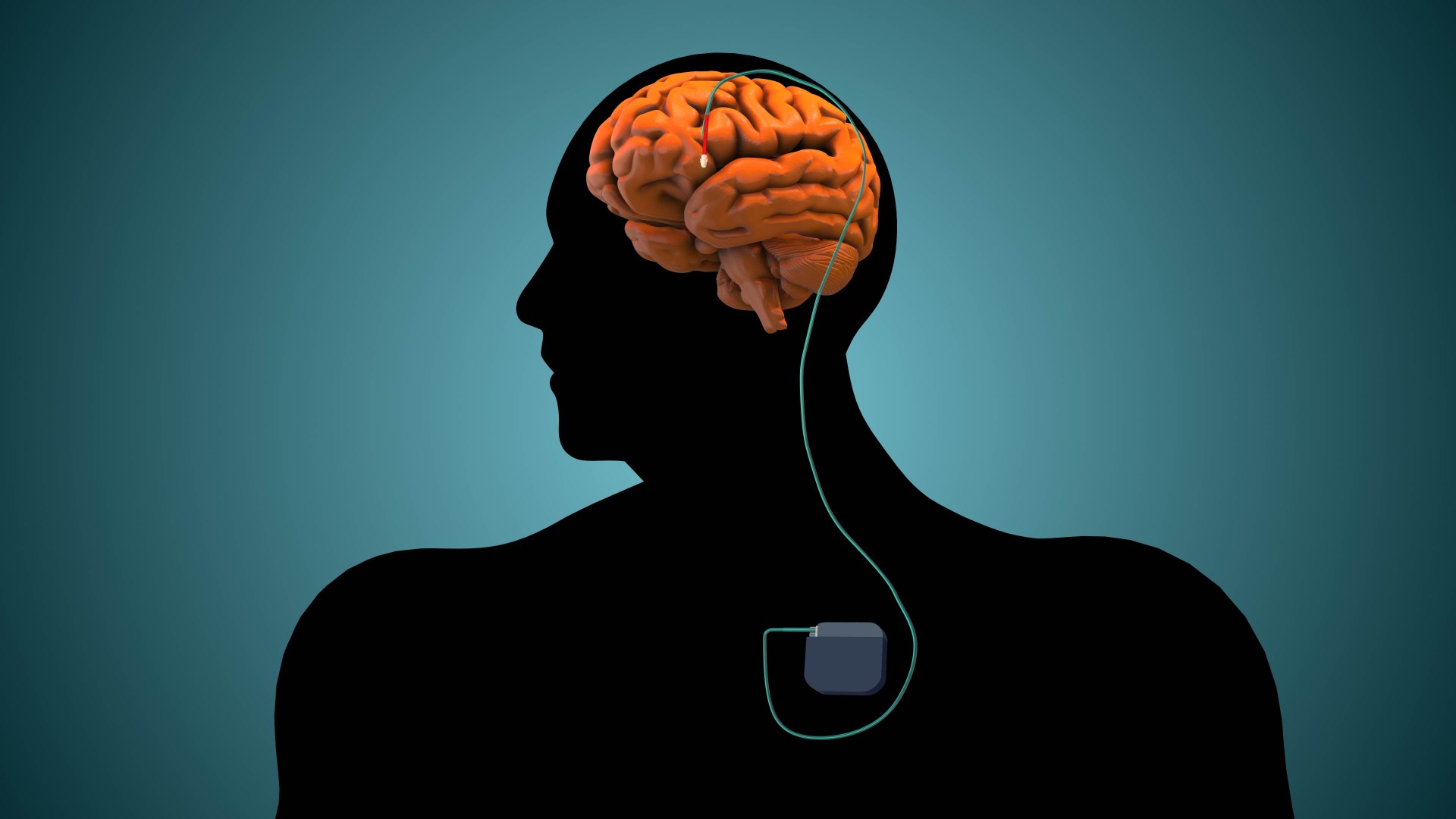
A novel brain pacemaker, utilizing deep-brain stimulation (DBS), is offering significant hope for individuals suffering from severe, treatment-resistant depression. A recent study revealed that over a third of participants in a clinical trial achieved remission, experiencing a near-complete elimination of their depressive symptoms. This innovative device functions by delivering controlled electrical signals to specific regions of the brain, effectively regulating errant activity and alleviating the debilitating effects of depression.
The research, conducted by scientists in the UK and China, not only demonstrated the efficacy of DBS but also pinpointed a distinctive brain activity pattern. This 'tell-tale' signature, observed in theta brainwaves within the BNST region, accurately predicted individual patient responses to the treatment. This discovery is a crucial step towards personalized medicine, enabling clinicians to identify and offer this potentially life-changing therapy to those most likely to benefit.
This advancement is particularly significant given the high rates of treatment resistance associated with current depression therapies, which often fail for a substantial portion of patients. The study's findings, published in Nature Communications, suggest that DBS could become a vital tool in managing major depressive disorder, a widespread mental health challenge. The potential for a "closed-loop system" that adjusts stimulation based on real-time brain activity further enhances the promise of this technology for future patient care.