Home / Health / New Vaccine Offers Hope Against Aggressive Brain Cancer
New Vaccine Offers Hope Against Aggressive Brain Cancer
1 Jun
Summary
- Personalized vaccine targets specific tumor mutations.
- Twice the usual number of targets loaded into vaccine.
- Survival rates doubled for a hard-to-treat brain cancer subtype.
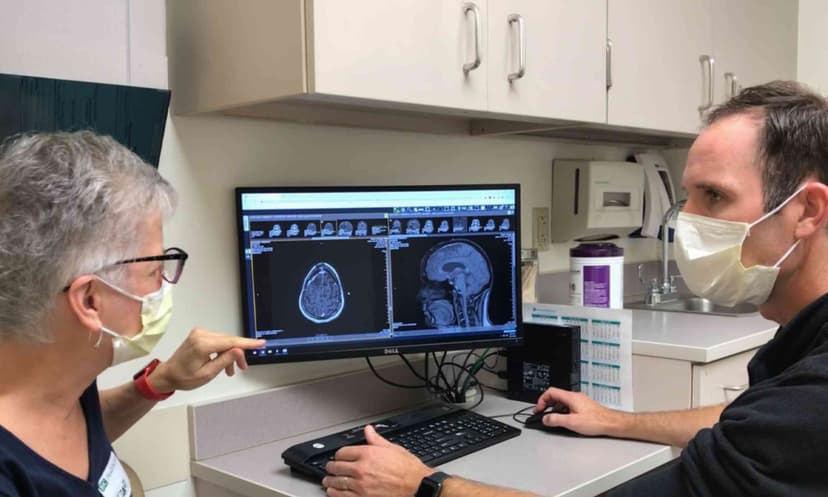
A new clinical trial is showing encouraging results in treating a highly aggressive form of brain cancer, glioblastoma. Researchers at Washington University School of Medicine developed a personalized vaccine, GNOS-PV01, designed to harness a patient's own immune system to fight the disease. Unlike traditional vaccines, this treatment is custom-built from engineered DNA carrying instructions about a specific patient's tumor.
The vaccine targets unique cancer proteins called neoantigens, loading up to 40 distinct targets per patient. This significantly doubles the number previously attempted, aiming to leave the tumor with fewer escape routes. The trial enrolled nine adults with a glioblastoma subtype where a specific gene repair mechanism hinders chemotherapy effectiveness.
Safety was the primary goal, and the vaccine proved well-tolerated, with mild injection site soreness as the most common reaction. Crucially, eight of the nine patients showed a significant increase in immune activity post-vaccination. This indicates their bodies began producing immune cells trained to recognize and attack the tumor.
Survival data from the trial is particularly noteworthy. Two-thirds of patients experienced no cancer progression at six months, and similarly, two-thirds were alive at one year. At the two-year mark, one-third of the participants remained alive, doubling the expected rate for this aggressive cancer subtype.
One patient, Kim Garland, a retired school nurse diagnosed nearly five years prior, shows no sign of recurrence. Her case suggests the immune response can be sustained and even deepen over time, offering enduring protection against glioblastoma's tendency to return. This endurance challenges previous concerns about immune responses fading too quickly.
The vaccine's success in making "cold" tumors, which typically hide from immune cells, more visible is a significant advancement. Tissue examination revealed the vaccine successfully attracted immune cells into tumor areas that were previously barren. This suggests the treatment not only stimulates immune responses but also alters the tumor's microenvironment.
This ability to "warm" a tumor might also enhance the effectiveness of other treatments, such as checkpoint inhibitors, which have previously struggled against glioblastoma. Researchers are now testing this combination in a follow-up trial, aiming to create a more potent attack against the disease.
While not a cure, this approach offers a tangible breakthrough by reliably activating the immune system and showing potential to extend survival. The findings, published in Nature Cancer, provide a critical foundation for further research, including expanding the trial to other glioblastoma forms and exploring synergistic treatments.


