Home / Health / Aging Brains: New Enzyme Key to Memory and Mood
Aging Brains: New Enzyme Key to Memory and Mood
22 Dec
Summary
- Enzyme SIRT6 controls tryptophan metabolism, impacting brain health.
- Imbalance diverts tryptophan, creating toxic byproducts damaging nerves.
- Targeting TDO2 or boosting SIRT6 offers potential therapeutic avenues.
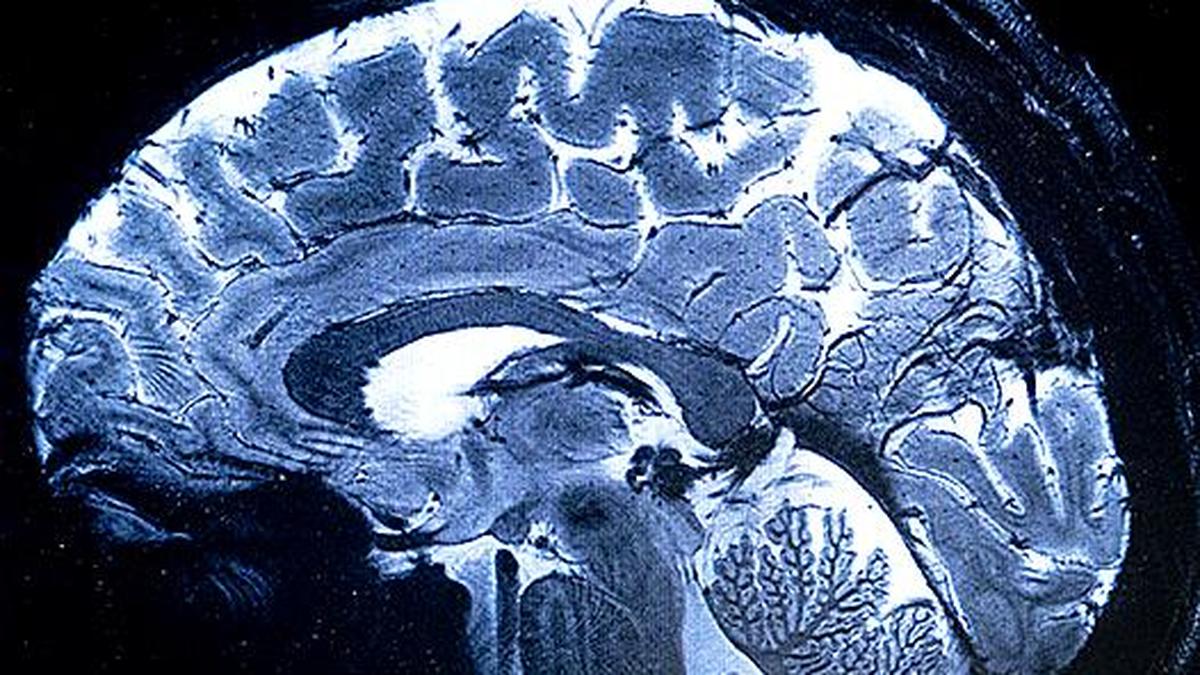
A groundbreaking study has identified a crucial molecular mechanism explaining the link between aging, neurological disease, and cognitive decline. Researchers discovered that the longevity-linked enzyme SIRT6 acts as an active metabolic switch in the brain, regulating tryptophan distribution. This enzyme is vital for brain health, influencing pathways that produce cellular energy and neurotransmitters like serotonin and melatonin.
As SIRT6 activity diminishes with age and in neurodegenerative disorders, tryptophan is diverted to the kynurenine pathway. This process not only reduces essential neurotransmitter production but also generates byproducts toxic to nerve cells. Scientists demonstrated that inhibiting the TDO2 enzyme, which pushes tryptophan into this pathway, can prevent neurological damage and cognitive impairment, suggesting a clear therapeutic target.