Home / Health / Braille Eyes: A Child's New Vision for Independence
Braille Eyes: A Child's New Vision for Independence
21 Dec
Summary
- Braille is embedded in artificial eyes to aid identification.
- The innovation helps visually impaired children gain independence.
- A child with retinoblastoma benefited from the tactile markings.
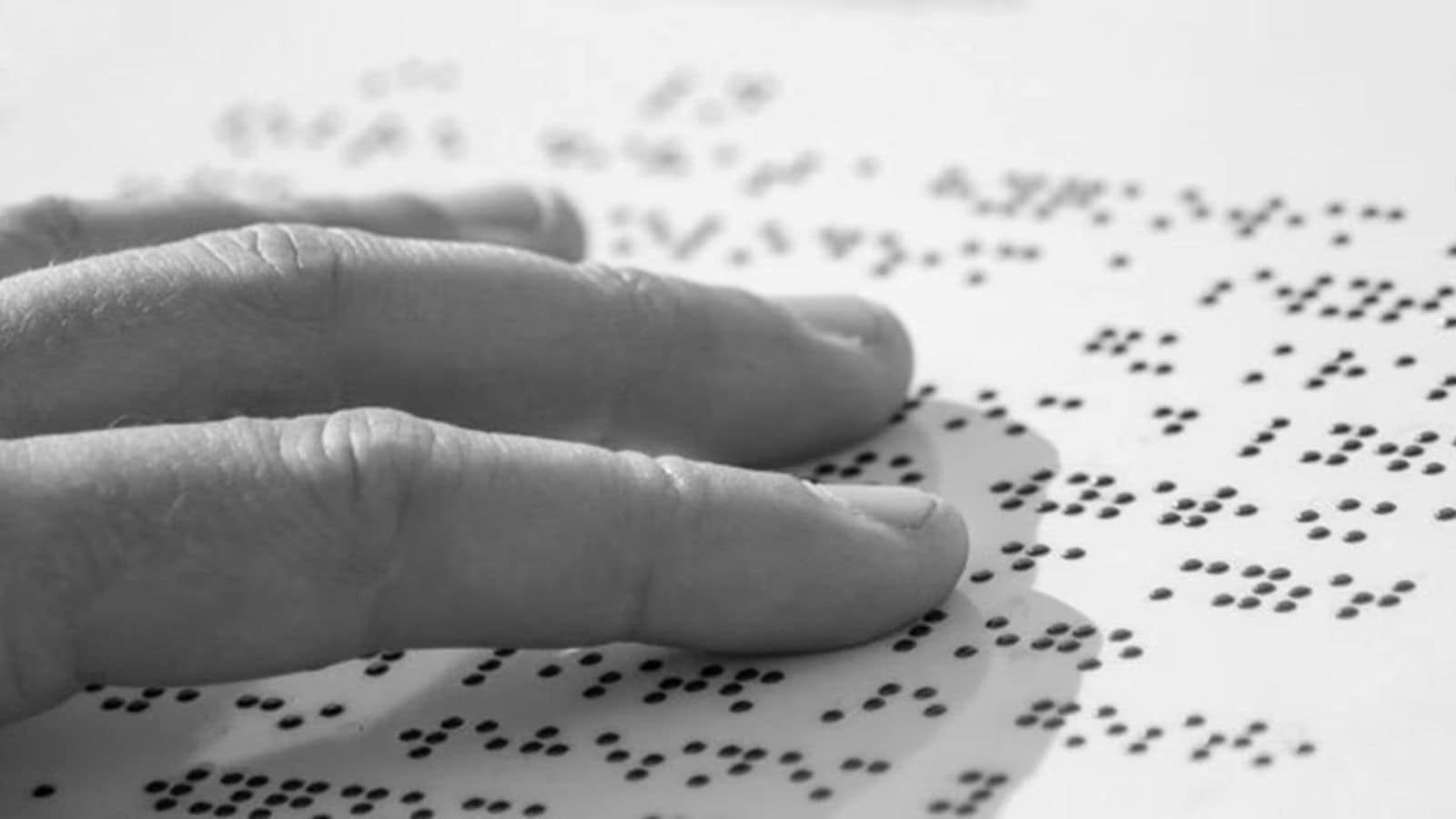
A novel innovation from PGIMER's Oral Health Sciences Centre is enhancing independence for visually impaired children. Researchers have successfully embedded Braille script into custom ocular prostheses, commonly known as artificial eyes, enabling patients to identify and position them correctly by touch alone. This patient-centered rehabilitation approach marks a significant milestone in maxillofacial prosthetics.
The breakthrough was developed for a six-year-old child who lost vision in both eyes. Despite having custom-made artificial eyes, the child struggled with distinguishing and inserting the correct prosthesis, leading to discomfort and dependence on caregivers. The integration of Braille, a familiar part of the child's education, provided a simple yet effective tactile solution.
Follow-up examinations have shown no complications, and caregivers report a remarkable improvement in the child's confidence and self-sufficiency. This low-cost, thoughtful design addresses daily challenges for children with bilateral anophthalmia, demonstrating PGIMER's commitment to practical solutions that directly improve patient quality of life.