Home / Health / Seniors Need More Protein, Not Less: Busting Myths
Seniors Need More Protein, Not Less: Busting Myths
27 Feb
Summary
- Aging bodies are less efficient at processing protein.
- ICMR recommends higher protein for seniors to prevent muscle loss.
- Indian diets often lack essential amino acids like leucine.
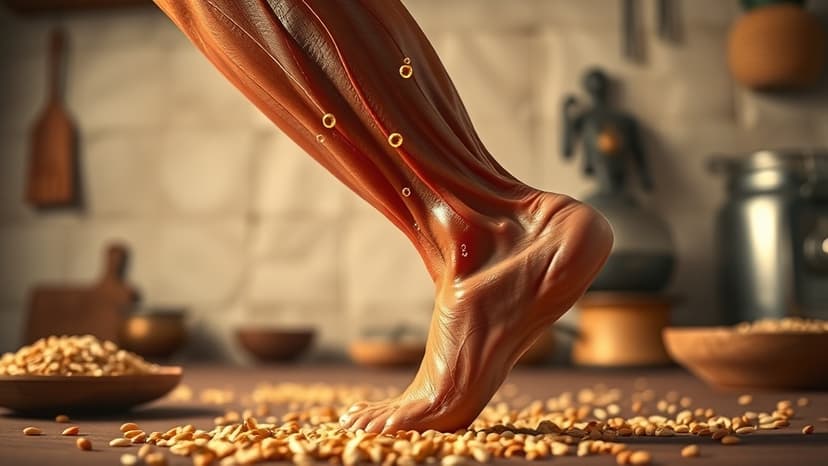
As individuals age, their bodies become less efficient at processing protein, a condition known as 'anabolic resistance.' This means seniors may require more protein than younger adults to maintain muscle mass and prevent a decline in independence, balance, and mobility. Sarcopenia, the progressive loss of skeletal muscle mass, affects a significant percentage of Indians, often starting in their late 40s.
The Indian Council of Medical Research (ICMR) has revised its guidelines, recommending that healthy seniors aim for 1.0 to 1.2 grams of protein per kilogram of body weight daily. Those with chronic illnesses should increase this to 1.2 to 1.5 grams per kg. This is a crucial step in addressing the widespread issue of inadequate protein intake, with a large majority of Indian households consuming less than the recommended amount.
A significant challenge in India is the traditional diet's heavy reliance on cereals, which are deficient in essential amino acids like leucine, vital for muscle synthesis. To improve protein quality, a balanced intake of cereals and pulses is advised. High-quality protein sources such as dairy, eggs, lean meats, soy, and sprouts are recommended to support muscle health.
Furthermore, the timing of protein intake is critical. Spreading protein consumption across breakfast, lunch, and dinner, with approximately 20g per meal, is more effective for muscle growth stimulation than a single large protein load at dinner. The ICMR emphasizes that adequate nutrition in old age is essential for holistic wellness and preventing frailty, especially as India's elderly population is projected to grow significantly by 2050.