feedzop-word-mark-logo
searchLogin
Feedzop
homeFor YouIndiaIndia
You
bookmarksYour BookmarkshashtagYour Topics
Trending
Terms of UsePrivacy PolicyAboutJobsPartner With Us

© 2026 Advergame Technologies Pvt. Ltd. ("ATPL"). Gamezop ® & Quizzop ® are registered trademarks of ATPL.

Gamezop is a plug-and-play gaming platform that any app or website can integrate to bring casual gaming for its users. Gamezop also operates Quizzop, a quizzing platform, that digital products can add as a trivia section.

Over 5,000 products from more than 70 countries have integrated Gamezop and Quizzop. These include Amazon, Samsung Internet, Snap, Tata Play, AccuWeather, Paytm, Gulf News, and Branch.

Games and trivia increase user engagement significantly within all kinds of apps and websites, besides opening a new stream of advertising revenue. Gamezop and Quizzop take 30 minutes to integrate and can be used for free: both by the products integrating them and end users

Increase ad revenue and engagement on your app / website with games, quizzes, astrology, and cricket content. Visit: business.gamezop.com

Property Code: 5571

Home / Health / Blood Type A? Early Stroke Risk Higher

Blood Type A? Early Stroke Risk Higher

11 Dec, 2025

•

Summary

  • Type A blood group linked to 16% higher early stroke risk.
  • Stroke risk factors differ for early vs. late-onset strokes.
  • Study included 17,000 stroke patients and 600,000 controls.
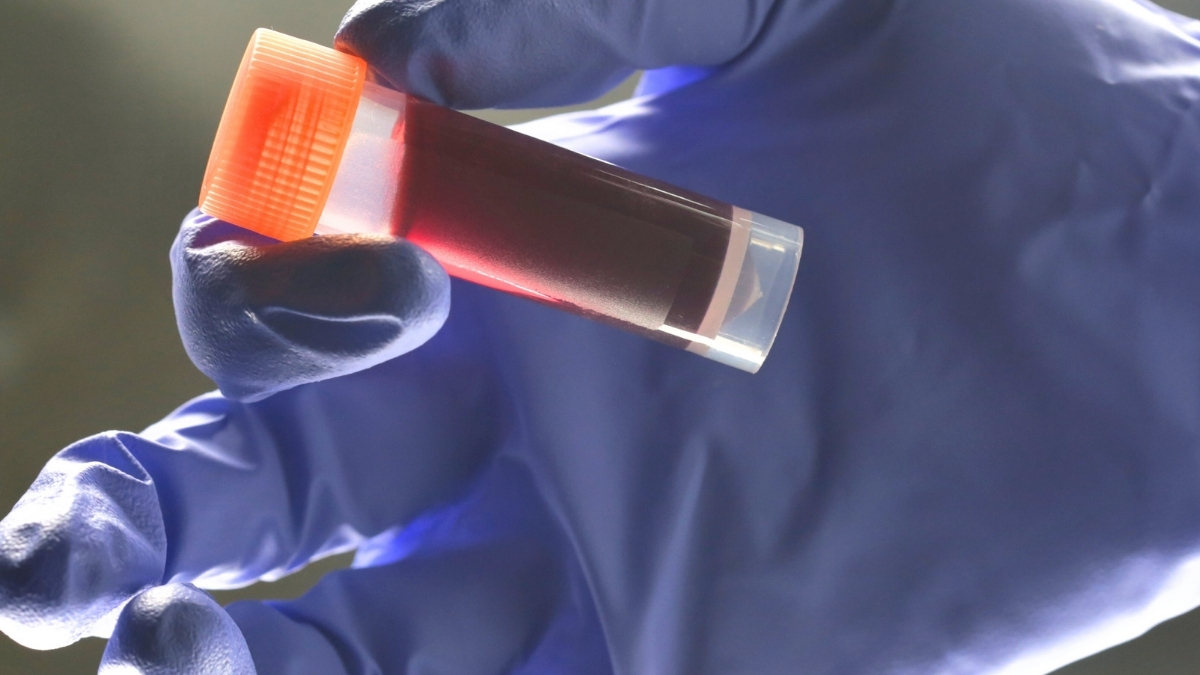
Blood Type A? Early Stroke Risk Higher

A groundbreaking study has identified a link between blood type and an elevated risk of stroke before the age of 60, particularly for individuals with a specific variant of blood type A. This finding suggests that genetic factors, such as blood group, may play a role in predisposition to cerebrovascular events at a younger age. Researchers analyzed extensive genetic data to uncover this surprising association, adding a new dimension to our understanding of stroke risk.

The research indicated that people with a particular gene for the A blood group had a 16 percent greater chance of suffering a stroke before turning 60. Conversely, those with the O1 blood group showed a 12 percent reduced risk. However, experts emphasize that this increased risk is minor, and there is no need for undue concern or special screening for individuals with type A blood. The exact reasons for this association remain under investigation, but it may involve clotting factors and other blood components.

Furthermore, the study differentiated between early- and late-onset strokes, noting that the blood type A association was significant only for younger stroke victims. This suggests different underlying causes, with early strokes more likely related to clot formation rather than arterial buildup. The findings, published in Neurology, call for further research, especially with more diverse populations, to clarify these mechanisms and confirm the global applicability of the results.

Disclaimer: This story has been auto-aggregated and auto-summarised by a computer program. This story has not been edited or created by the Feedzop team.
Yes, the study found that people with a specific variation of blood type A have a 16% higher chance of stroke before age 60.
Early-onset strokes seem more related to clot formation than arterial buildup, unlike later-onset strokes.
The study focused on blood types A, O1, and B, comparing their association with stroke risk, especially in younger individuals.

Read more news on

Healthside-arrow
trending

Nikita Godishala killed by ex

trending

Kidnapping case: Bombay HC bail

trending

Bharat Coking Coal IPO opens

trending

Lucknow University gets new VC

trending

Lawyers boycott Rajasthan High Court

trending

ICSI CSEET admit card

trending

Bihar STET result soon

trending

Mahindra XUV 7XO launch tomorrow

trending

Bali garden holiday visits surge

You may also like

Snow Shoveling: A Heart Attack Waiting to Happen?

15 Dec, 2025 • 135 reads

article image

Heart Health Alert: Ditch the Ice-Cold Water!

8 Dec, 2025 • 132 reads

article image

Young Man's Stroke: Preventable BP Crisis

8 Dec, 2025 • 111 reads

article image

Monitor Your BP: Spot Silent Killer Early

7 Dec, 2025 • 137 reads

article image

Dementia Risk: New Factors Revealed by Researchers

30 Nov, 2025 • 178 reads

article image