
Home / Health / Donate Blood: Debunking Fears, Saving Lives
Donate Blood: Debunking Fears, Saving Lives
14 Jun
Summary
- Donating one pint is 8-10% of total body blood volume.
- Fluid volume replaced in 24-48 hours, red cells in weeks.
- Donation centers prioritize donor safety with pre-donation checks.
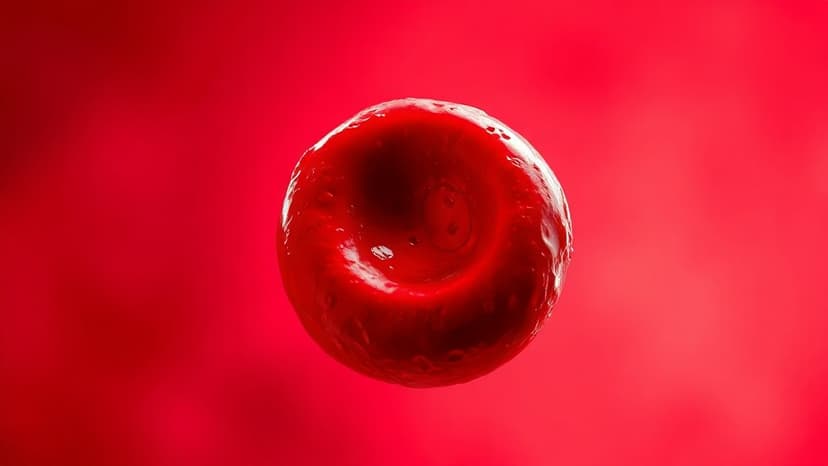
Donating blood is a vital act, yet apprehension often surfaces before the procedure. Concerns about safety and the body's ability to cope are common but largely unfounded when examined medically. Donation centers meticulously prioritize donor well-being through a rigorous pre-donation screening process. This includes checking vital signs and ensuring adequate iron and hemoglobin levels. Individuals with levels below the acceptable range are advised to postpone donation, a safety measure ensuring their health is not compromised.
The human body is remarkably resilient and designed for recovery. Donating approximately one pint of blood, which constitutes only 8-10% of total blood volume, triggers an efficient replenishment process. The lost fluid volume is typically restored within 24 to 48 hours. Simultaneously, the body accelerates red blood cell production, with a complete replacement of donated cells occurring within a few weeks. This natural regeneration means healthy individuals can donate multiple times a year without experiencing negative consequences like decreased immunity or energy levels.
Blood is an irreplaceable biological substance, solely obtainable through human donation. To ensure safety and prevent cross-contamination, all equipment used in the donation process is designed for single use. While hesitation is understandable, it often stems from misinformation rather than medical reality. The process, which takes less than fifteen minutes, leverages the body's inherent capacity to give and recover, ultimately saving lives.
