Home / Health / Blood Donors Needed: Black Community's Vital Role
Blood Donors Needed: Black Community's Vital Role
15 Feb
Summary
- Sickle cell patients require transfusions from similar ethnic backgrounds.
- Mistrust in medical systems affects blood donation rates.
- Black Canadians are underrepresented as blood donors.
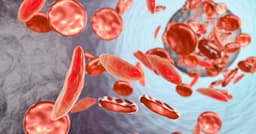
Patients with sickle cell anemia require frequent blood transfusions, and the most compatible blood, which prevents severe immune reactions, typically comes from donors of the same ethnic background. Héma-Québec indicates that over 200 sickle cell patients in Quebec rely on regular donations for survival, with each patient needing blood from an average of 130 donors annually.
Historical mistrust within the Black community, particularly among those of Haitian origin, has stemmed from past stigmatization and discriminatory policies regarding blood donation, such as the "high-risk group" classification for Haitians during the HIV/AIDS crisis. This legacy has deterred many from donating.
Canadian Blood Services acknowledges that systemic racism has impacted its donor base. While Black Canadians constituted 4.3% of the population in 2021, they represented less than 1% of Canada's blood donors. Efforts are underway by Héma-Québec and Canadian Blood Services to rebuild trust and encourage more Black individuals to donate.
Akelia Campbell, who has sickle cell anemia, emphasizes the critical need for these donations, as the condition significantly impacts her quality of life. Chantal Goupil, a Héma-Québec nurse, highlights that more blood from the Black community is essential for effectively treating patients with sickle cell anemia.