Home / Health / Biomarkers: The Future of Psychiatric Care?
Biomarkers: The Future of Psychiatric Care?
12 Mar
Summary
- Biomarkers could revolutionize mental health diagnoses and treatments.
- Current psychiatric care relies on symptoms; biomarkers offer biological tests.
- More research is needed to validate biomarkers for widespread clinical use.
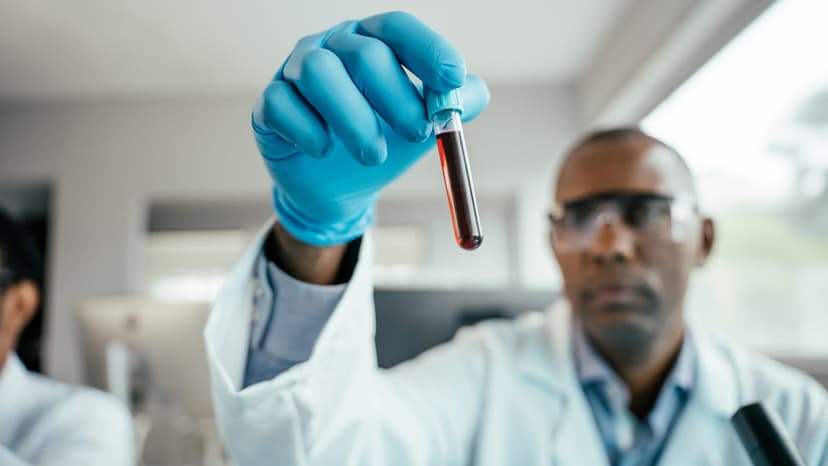
The field of psychiatry is on the cusp of a potential revolution with the American Psychiatric Association considering the integration of biomarkers into diagnostic criteria. Historically, mental illnesses have been diagnosed based on outward symptoms, but biomarkers—biological indicators detectable through tests—offer a path toward more objective assessments.
This approach mirrors practices in other medical fields like oncology and could lead to faster, more accurate diagnoses and tailored treatment recommendations. Currently, prescribing psychiatric medications can be akin to guesswork, with clinicians often unable to predict a patient's response. Biomarkers could help predict which treatments might be most effective, potentially saving time and resources.
However, the widespread use of psychiatric biomarkers is not yet a reality. Decades of research have yielded limited validated tools, and significant hurdles remain. Scientists emphasize the need for more coordinated, well-funded research to prove the reliability and validity of these tests. Concerns also exist regarding potential increases in healthcare costs, insurance coverage complexities, and patient privacy.
Despite these challenges, the move toward incorporating biomarkers signifies a recognition that current methods are insufficient. As research progresses and validation efforts continue, the potential exists to transform how mental health conditions are understood and treated, moving towards a more biologically informed approach.