Home / Health / Boys Face Rising 'Bigorexia' Anxiety
Boys Face Rising 'Bigorexia' Anxiety
13 Dec
Summary
- Bigorexia, or muscle dysmorphia, affects boys with distorted body image.
- Social media fuels pressure for idealized, unrealistic physiques.
- Early intervention is vital for children struggling with this disorder.
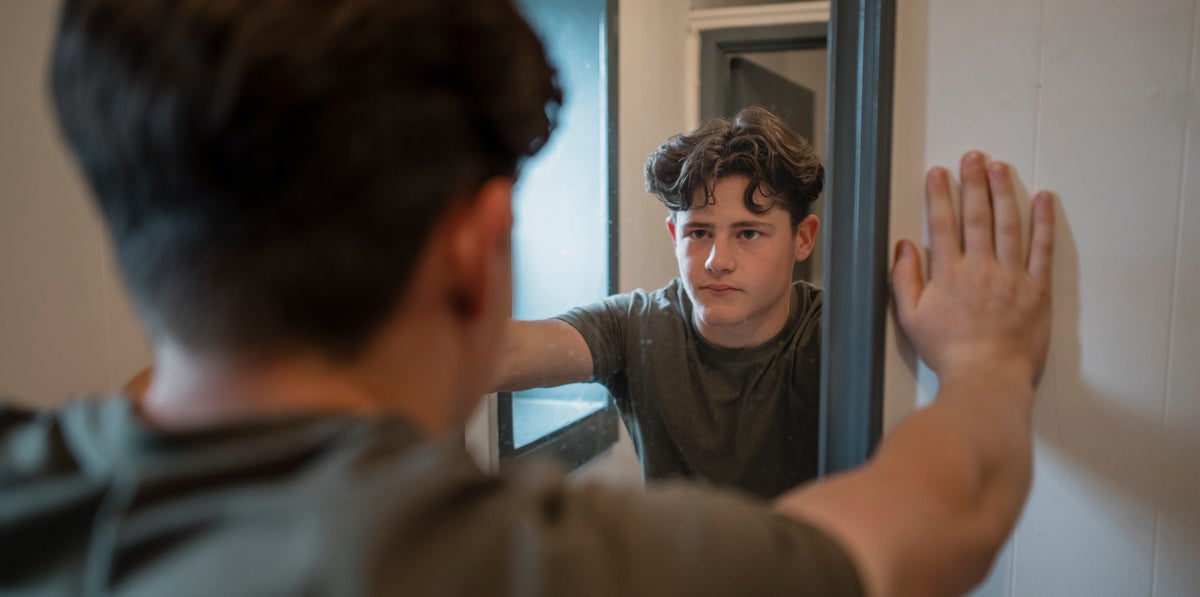
Muscle dysmorphia, often termed 'bigorexia,' is a growing psychological issue that disproportionately affects boys. This condition is characterized by an intense preoccupation with muscle size and a belief that one's body is not muscular enough, even when objectively well-built. Such obsessions can lead to compulsive exercise routines and extreme dietary changes aimed at achieving an idealized physique.
The pervasive influence of social media is identified as a major catalyst for the rise in bigorexia. Young people are constantly exposed to curated, often unrealistic, body images promoted by influencers, creating immense pressure to conform. This continuous comparison fuels body dissatisfaction and anxiety, especially among impressionable adolescents who may not discern the fabricated nature of these online personas.
Parents play a crucial role in mitigating these risks. Open conversations about media literacy, emphasizing values beyond physical appearance, and modeling healthy attitudes towards exercise and body image are vital. Early recognition of warning signs, such as extreme preoccupation with exercise or diet that impairs daily functioning, is essential for seeking professional help and preventing long-term psychological consequences.