Home / Health / Vegetables Tainted: Bengaluru Faces Heavy Metal Crisis
Vegetables Tainted: Bengaluru Faces Heavy Metal Crisis
24 Feb
Summary
- Lead levels exceeded safety limits in 19 of 72 vegetable samples.
- Eighteen pesticide residues were detected, with 12 above maximum limits.
- Capsicum, chilli bajji, cucumber, and ginger identified as high-risk.
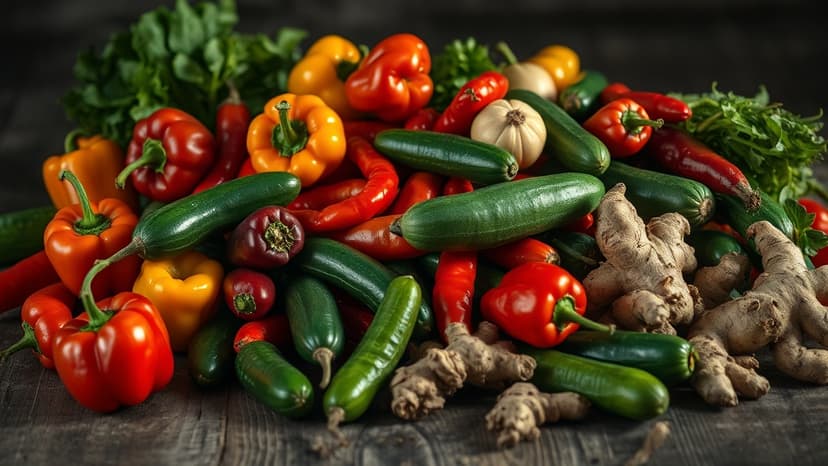
A recent study by the Central Pollution Control Board (CPCB) has uncovered significant food safety issues in Bengaluru and nearby farming regions. Investigations into agricultural fields and local markets revealed that 19 out of 72 vegetable samples exceeded the prescribed lead safety standards. These contaminated samples were primarily traced back to markets within Bengaluru.
The study also detected eighteen varieties of pesticide residues, with 12 exceeding the maximum residue limits (MRL) set by food safety regulations. Capsicum, chilli bajji, cucumber, and ginger were specifically identified as high-risk vegetables due to these contaminants.
In response to these findings, the CPCB has called for immediate action. Recommendations include a joint investigation by the Department of Agriculture and the Food Safety and Standards Authority of India (FSSAI) to pinpoint the source of lead contamination. The board also emphasized the need for farmer training in eco-friendly pest control and consumer awareness campaigns regarding contaminated produce.