Home / Health / Invisible Danger: Lead Exposure Plagues Bangladesh
Invisible Danger: Lead Exposure Plagues Bangladesh
15 Sep
Summary
- Abandoned battery sites leach lead into soil, dust, and food.
- 38.34% of young children have elevated blood lead levels.
- Soil remediation brought improvements but concerns remain.
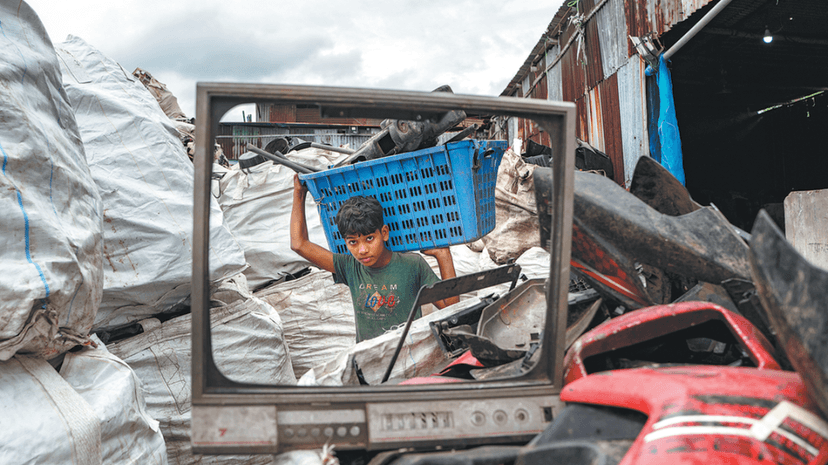
Lead exposure remains a critical environmental and health issue in Bangladesh, primarily stemming from battery recycling activities.
Even after recycling sites are abandoned, lead residue can persist in the soil, contaminating dust, food, and the environment. This invisible danger has been linked to significant health problems, particularly among children.
A 2025 survey revealed that 38.34% of children aged 12-59 months and 7.54% of pregnant women exhibited elevated blood lead levels. These findings highlight concentrated exposure in specific environments, with Dhaka's industrial density presenting multiple pathways for contamination.
While efforts like soil remediation in Mirzapur have led to reported improvements in crops and children's well-being, challenges persist. Concerns about the management of contaminated soil and the potential for future pollution remain.


