Home / Health / Miracle Baby's Death Linked to Untreatable Superbugs
Miracle Baby's Death Linked to Untreatable Superbugs
9 Sep
Summary
- Infant's death was suspected to be linked to antimicrobial resistance.
- AMR is a growing global health crisis, causing millions of deaths.
- New therapies like bacteriophage treatment show promise but are limited.
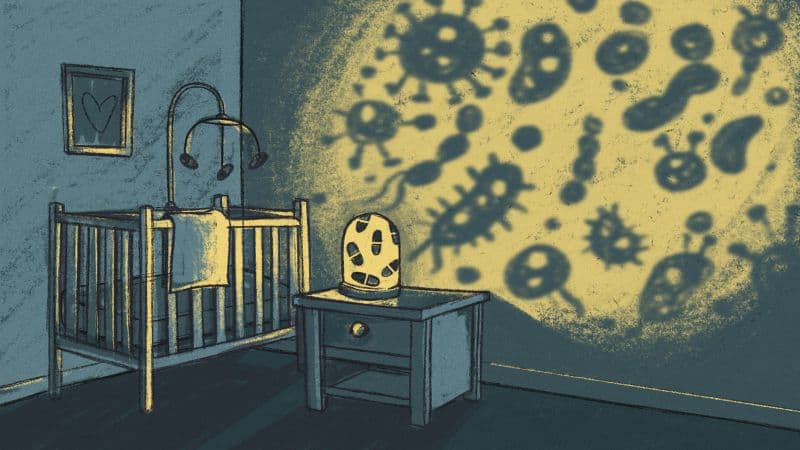
Dr. Felix Liauw, a pediatrician, suspects that antimicrobial resistance (AMR) played a role in the death of his son, Obelix, who passed away at just over three months old. After a prolonged struggle with feeding issues and infections, Obelix succumbed to sepsis in February 2020. His case underscores the alarming rise of AMR, a phenomenon where bacteria evolve to resist drugs, leading to untreatable infections.
Globally, AMR is a critical concern, contributing to millions of deaths annually. The World Health Organization (WHO) estimates that by 2050, AMR could cause up to 39 million deaths each year if unchecked. Overuse of antibiotics in both human medicine and agriculture accelerates the development of drug-resistant "superbugs." This has led to a concerning loss of effectiveness in common antibiotics.
Experimental treatments like bacteriophage therapy, which uses viruses to target bacteria, are emerging as potential solutions. However, these therapies are not widely available and face challenges in development and accessibility. The fight against AMR requires global cooperation, including smarter antibiotic use, public education, and investment in research and diagnostics.


