

Home / Health / Baby Teeth Stem Cells: New Hope for Cerebral Palsy?
Baby Teeth Stem Cells: New Hope for Cerebral Palsy?
20 Apr
Summary
- SHED cells from baby teeth show potential for cerebral palsy treatment.
- Kidswell Bio is initiating regulated human trials in the United States.
- This approach aims to create favorable brain conditions for natural recovery.
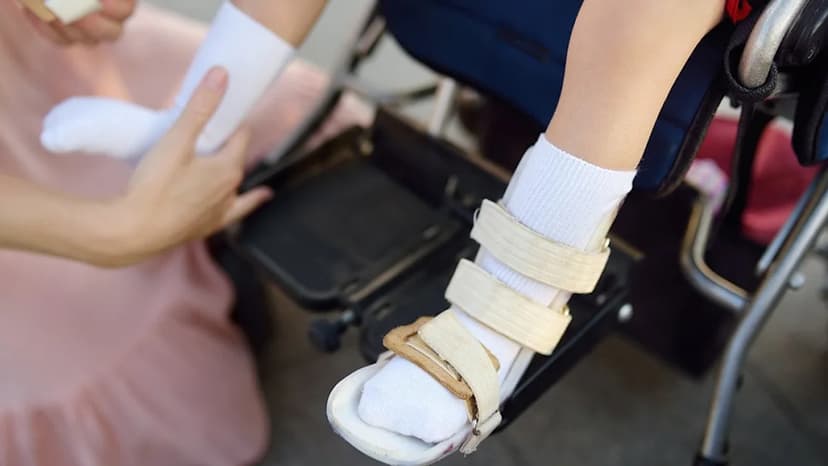
Cerebral palsy, affecting approximately 1 in 345 children in the U.S., currently relies on symptom management without addressing the root brain injury. A significant development emerged in February 2026 from Japan, where Kidswell Bio is pioneering a novel stem cell therapy using SHED cells, derived from baby teeth. These mesenchymal stem cells are being investigated for their potential to reduce inflammation and support neural survival.
The strategy is not to rebuild damaged brain tissue directly, but to create an environment within the brain that supports natural recovery and neuroplasticity. This innovative approach is now moving to the United States, leveraging the FDA's oversight and robust clinical research infrastructure. Kidswell USA has been established to facilitate direct collaboration with the FDA and partner with American research institutions.
While a stem cell treatment for cerebral palsy is not imminent, Kidswell Bio's initiative marks a crucial step towards a structured, multi-year process for potential FDA approval. This journey involves rigorous safety and efficacy trials. Early overseas data for Kidswell's SQ-SHED program has shown potential motor function improvements, but years of work and significant investment lie ahead before commercial availability. Other U.S. centers, like Duke University, are also exploring cord blood infusions and other stem cell sources for cerebral palsy, indicating a growing research focus in this area.
