Home / Health / Sleep Clues Signal Early Autism Risk in Babies
Sleep Clues Signal Early Autism Risk in Babies
25 Feb
Summary
- Five infant sleep traits may predict autism development.
- Sensory reactivity in babies shapes infant sleep patterns.
- Early identification of autism risk could improve support.
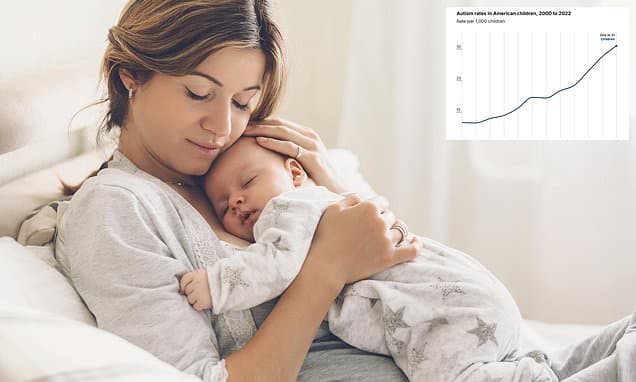
Observing specific sleep patterns in infants may offer early insights into the potential development of autism, according to recent research. Scientists have identified five distinct sleep traits that could be indicative of a later autism diagnosis.
These key traits include shallow and disrupted deep sleep, a brain that remains reactive to sounds even during deep sleep, light sleep despite silence, and heightened sensory sensitivity. Researchers monitored brain activity in 44 infants, aged eight to 11 months, during naps under varying sound conditions.
The study found that babies exhibiting sensory sensitivities during waking hours experienced less restorative sleep. This suggests their brains struggle to disconnect from external stimuli, even in quiet environments. Sensory processing differences are common in autistic individuals, and understanding their link to sleep may help identify autism risk earlier.
While these sensitivity traits do not guarantee an autism diagnosis, they provide a valuable window into how early sensory differences influence sleep in infancy. This could lead to more timely support for children who might benefit from early intervention, potentially before more recognizable social or communication delays become apparent.