Home / Health / Baby Foods: Additives Trump Nutrients
Baby Foods: Additives Trump Nutrients
11 Feb
Summary
- Over 70% of US baby foods contain additives, not fruits or vegetables.
- Ultraprocessed foods linked to higher risks of disease and obesity.
- Experts call for stricter FDA oversight and improved baby food labeling.
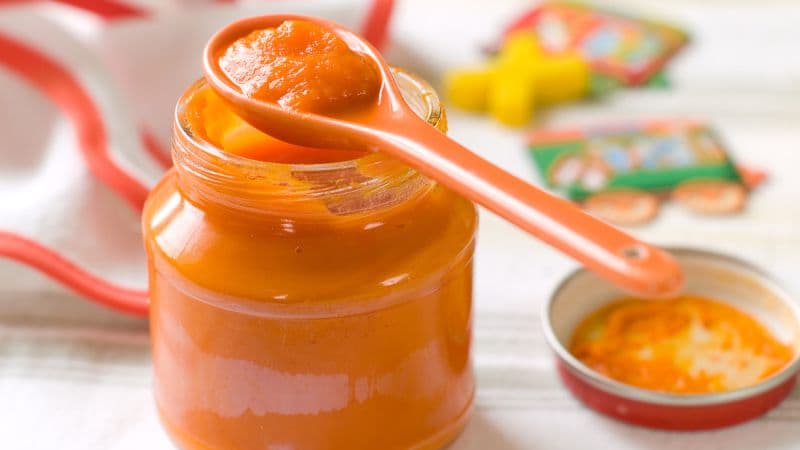
A significant majority of baby foods available in the United States, intended for children aged 6 to 36 months, are ultraprocessed and may contain additives linked to health concerns. A recent examination found that over 70% of the surveyed foods prioritized additives over nutritional ingredients like fruits or vegetables. These additives, including synthetic flavor enhancers and thickeners, are increasingly being associated with gut inflammation and potential health risks.
Ultraprocessed foods, such as crackers and sweetened yogurts, are designed for hyperpalatability. This overconsumption in early childhood can lead to preferences for less healthy options, setting the stage for lifelong eating habits. Studies indicate that a mere 10% increase in ultraprocessed food consumption can elevate risks for cardiovascular disease, obesity, and type 2 diabetes.
Industry representatives argue there is no universally agreed-upon definition of ultraprocessed foods and that manufacturers adhere to FDA safety standards. However, health advocacy groups and pediatric experts are calling for urgent reforms. They highlight a lack of robust regulatory oversight, including the 'Generally Recognized as Safe' (GRAS) loophole, which allows some additives without a thorough FDA safety review.