Home / Health / DNA Tests: Accurate Data, Unreliable Health?
DNA Tests: Accurate Data, Unreliable Health?
9 Sep
Summary
- Raw genetic data accuracy reaches 99.5% to 99.9%.
- Health predictions are significantly less reliable.
- Tests analyze selected variants, missing rare mutations.
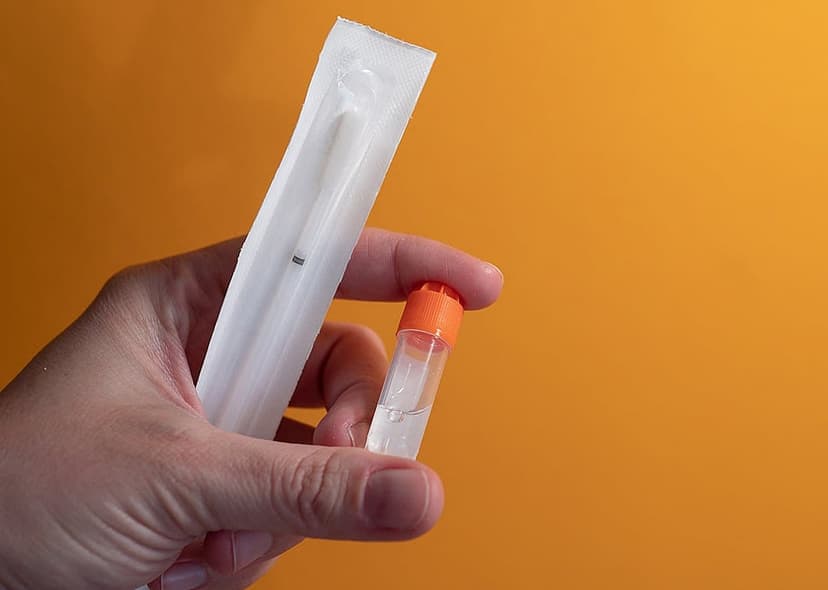
At-home DNA tests offer impressive accuracy, reaching 99.5% to 99.9% for raw genetic data analysis. However, this precision does not extend to health predictions, which are significantly less reliable. The technology typically analyzes common genetic variations rather than conducting comprehensive genetic sequencing.
These consumer-grade tests focus on predetermined variants, meaning they can miss rare or newly discovered mutations that could be clinically significant. This limitation means they are not a substitute for medical-grade genetic testing, which employs more rigorous quality control and analyzes genes more completely.
Furthermore, factors such as sample quality and an individual's ancestry can impact the accuracy of health predictions. Most available genetic databases are heavily based on European ancestry, leading to less reliable results for individuals of other backgrounds. Different companies may also report conflicting health findings due to varying methodologies and reference databases.
While pharmacogenomics information, predicting medication responses, is a more clinically useful application, even these results require consultation with healthcare providers. Ultimately, at-home genetic tests are best utilized as screening tools to initiate discussions with medical professionals, not for making definitive health decisions.


