feedzop-word-mark-logo
searchLogin
Feedzop
homeFor YouIndiaIndia
You
bookmarksYour BookmarkshashtagYour Topics
Trending
Terms of UsePrivacy PolicyAboutJobsPartner With Us

© 2026 Advergame Technologies Pvt. Ltd. ("ATPL"). Gamezop ® & Quizzop ® are registered trademarks of ATPL.

Gamezop is a plug-and-play gaming platform that any app or website can integrate to bring casual gaming for its users. Gamezop also operates Quizzop, a quizzing platform, that digital products can add as a trivia section.

Over 5,000 products from more than 70 countries have integrated Gamezop and Quizzop. These include Amazon, Samsung Internet, Snap, Tata Play, AccuWeather, Paytm, Gulf News, and Branch.

Games and trivia increase user engagement significantly within all kinds of apps and websites, besides opening a new stream of advertising revenue. Gamezop and Quizzop take 30 minutes to integrate and can be used for free: both by the products integrating them and end users

Increase ad revenue and engagement on your app / website with games, quizzes, astrology, and cricket content. Visit: business.gamezop.com

Property Code: 5571

Home / Health / Diet Drink Sweetener May Harm Heart and Mind

Diet Drink Sweetener May Harm Heart and Mind

20 Dec, 2025

•

Summary

  • Aspartame consumption in mice showed mild cardiac hypertrophy.
  • Mice experienced reduced cognitive performance and spatial awareness.
  • Low aspartame doses may compromise major organ function.
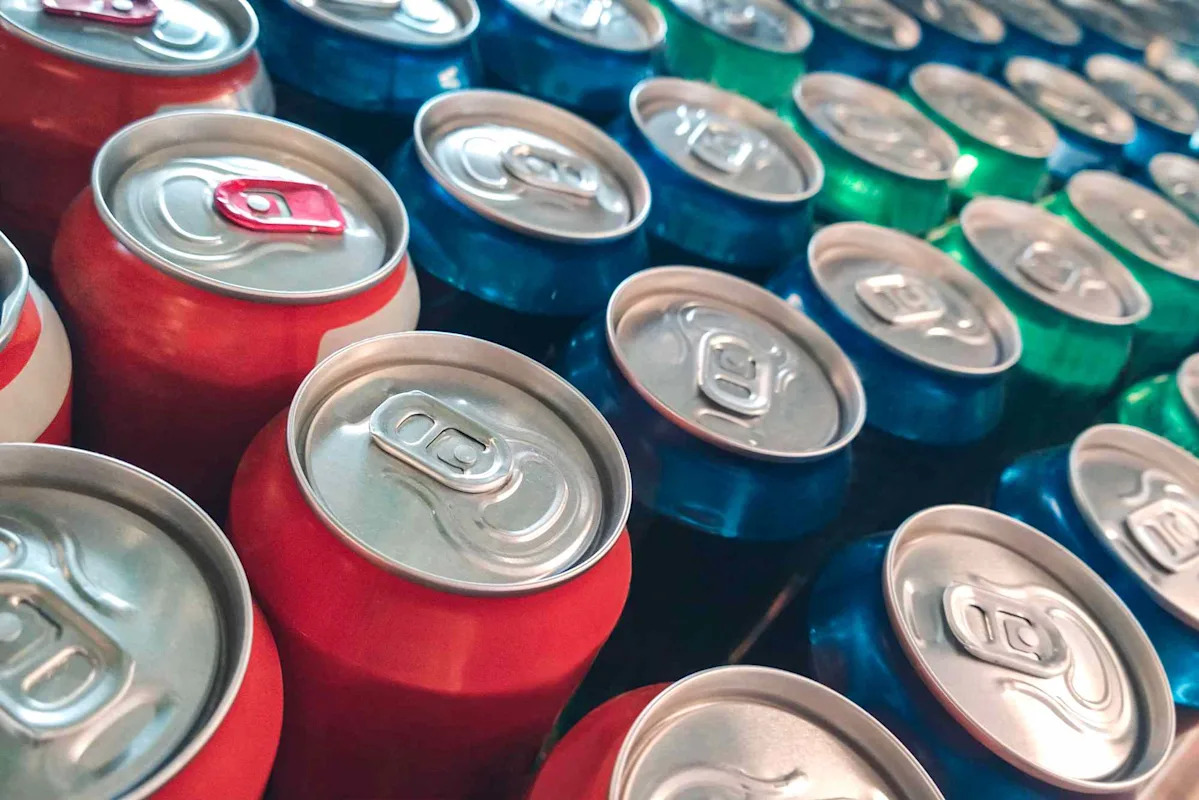
Diet Drink Sweetener May Harm Heart and Mind

Recent research indicates that aspartame, a widely used artificial sweetener, may pose risks to cardiovascular and neurological health. A year-long study involving mice, where they consumed a dose equivalent to one-sixth of the recommended human intake, revealed significant findings. The artificial sweetener was associated with mild cardiac hypertrophy, a condition that stiffens the heart and impedes its pumping ability.

Furthermore, the study, published in Biomedicine & Pharmacotherapy, documented "altered neurobehavior" in the mice. Tests revealed a decline in their spatial awareness, memory retention, and overall cognitive speed. This suggests a potential link between aspartame and diminished brain function, even at low consumption levels.

Researchers concluded that aspartame, even at permitted doses, could compromise the function of major organs. They recommended a reassessment of current safety limits for human consumption, highlighting concerns about potential long-term effects on heart and brain health.

trending

Indigo flight bomb threat

trending

iPhone 18 Pro details leaked

trending

Murray, Gordon probable versus Wizards

trending

India vs New Zealand decider

trending

India vs New Zealand ODI

trending

JioHotstar entertainment watch time grew

trending

WPL 2026: UPW vs MI

trending

U19 World Cup live score

trending

Kohli, Yadav visit Ujjain temple

trending

Pakistanis struggle in Big Bash

Disclaimer: This story has been auto-aggregated and auto-summarised by a computer program. This story has not been edited or created by the Feedzop team.
The study found that mice consuming aspartame showed mild cardiac hypertrophy, a stiffening of the heart muscle.
Mice exhibited reduced spatial awareness, memory capacity, and lower velocity, indicating impaired cognitive function.
Researchers suggested that current safety limits for aspartame in humans may need reevaluation due to potential organ compromise.

Read more news on

Healthside-arrow

You may also like

Obesity Pill: Cheaper, Needle-Free Future for UK?

15 Jan • 18 reads

article image

Risky Meds Still Given to Dementia Patients

13 Jan • 27 reads

article image

Beet Juice Lowers Blood Pressure in Seniors

10 Jan • 36 reads

article image

Cancer Patients Fund Own Chemo Amid NHS Wait Woes

21 Dec, 2025 • 159 reads

article image

Alcohol's Cancer Link: New Study Shifts Focus

16 Dec, 2025 • 180 reads

article image