

Home / Health / Household Cleaners Fuel Antibiotic Resistance Crisis
Household Cleaners Fuel Antibiotic Resistance Crisis
8 Apr
Summary
- Biocides in household products may promote resistance to antibiotics.
- Everyday antibacterial soaps offer no added benefit over plain soap.
- Reduced biocide use in consumer products is recommended globally.
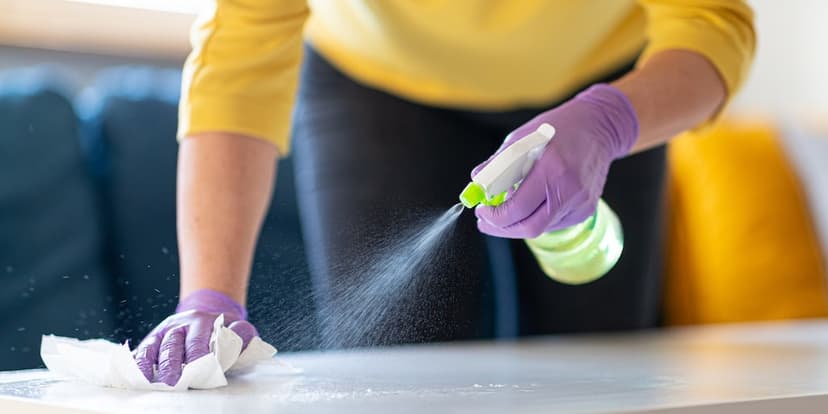
A new viewpoint study indicates that biocides found in common household cleaning products could be fueling the development of antimicrobial resistance (AMR). These biocides, including quaternary ammonium compounds (QACs) and chloroxylenol, are present in antibacterial soaps, disinfecting wipes, and sprays.
As bacteria develop resistance to these household chemicals, they may also become resistant to vital antibiotics. This phenomenon escalates the risk of severe infections, disability, or even death. Researchers emphasize that for routine home use, antibacterial soaps do not provide any additional health benefits over simple soap and water.
The study, a review of existing research, suggests that consumer-product biocides contribute to the antibiotic resistance crisis. Recommendations include the World Health Organization setting targets to reduce biocide usage and governments limiting these ingredients in household goods.
Experts advise using plain soap and water for everyday cleaning and reserving disinfectants for situations involving contagious illness. The World Health Organization previously warned that by October 2025, one in six bacterial infections are resistant to antibiotics, with over one million deaths annually linked to AMR.
