Home / Health / New Implant Halves Angina Pain for Many
New Implant Halves Angina Pain for Many
24 Aug
Summary
- Device significantly reduces chest pain in 75% of patients.
- Coronary sinus reducer implant is an experimental treatment.
- Study involved 491 patients across 19 hospitals.
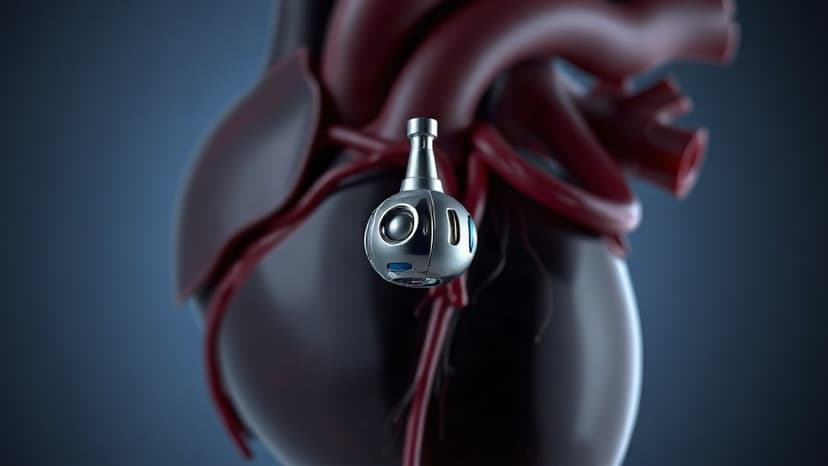
A groundbreaking study indicates that a novel implant, known as a coronary sinus reducer (CSR), is significantly alleviating chest pain for individuals suffering from refractory angina. This condition affects an estimated 300,000 people in England who experience persistent symptoms despite conventional treatments like medication, stents, and bypass surgery.
The CSR device, an experimental treatment, is inserted via keyhole surgery through the neck. It functions by narrowing a vein behind the heart, thereby improving blood flow to oxygen-deprived areas of the heart muscle. Each implant costs the National Health Service £11,400.
The largest global study to date observed 491 patients with refractory angina over a decade. Within six months of implantation, 75% of participants experienced a notable reduction in chest pain. Serious complications were infrequent, and most patients returned home on the day of or the day after the procedure.
Consultant cardiologist Dr. Ranil de Silva, who co-led the study, described the device as a potential gamechanger. He highlighted its capacity to enhance the quality of life for patients by reducing debilitating symptoms and boosting mental well-being. Despite these positive outcomes, de Silva stressed that more trials and NHS funding approval are essential before the CSR can be widely adopted as a standard treatment.


