Home / Health / Amlodipine Alert: Tight Shoes Signal Potential Swelling
Amlodipine Alert: Tight Shoes Signal Potential Swelling
16 Nov
Summary
- Amlodipine can cause ankle swelling, making shoes feel tighter.
- The medication widens arteries, shifting fluid into leg tissues.
- Consult a doctor before stopping amlodipine due to rebound risks.
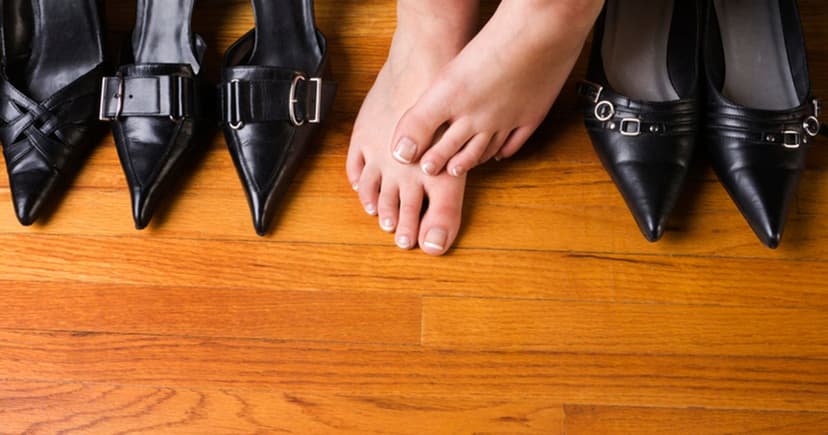
Ankle swelling, manifesting as tighter shoes or deep sock marks, could signal a side effect of amlodipine, a common high blood pressure and angina medication. Pharmacist Raj Patel notes that this swelling isn't just from excess water but from amlodipine widening arteries, causing fluid to move into surrounding leg tissues. This effect may become more noticeable later in the day or after prolonged standing.
It is critical not to stop amlodipine abruptly without medical consultation, as this can cause a dangerous rebound in blood pressure. Swelling may also stem from other health issues, including heart, kidney, or liver conditions, or other medications. Immediate medical attention is required for sudden facial swelling, severe dizziness, or breathing difficulties.
Patients experiencing swelling can request a medication review with their doctor to adjust the dosage. If swelling occurs in only one leg, is accompanied by sudden pain, or shortness of breath, prompt medical care is advised. While amlodipine takes about a week to leave the system, with potential improvement seen within seven days and full resolution up to four weeks, persistent swelling necessitates further investigation into other causes.


