Home / Health / Alzheimer's Spread Secret Unlocked by Brain Protein
Alzheimer's Spread Secret Unlocked by Brain Protein
1 Jul
Summary
- Scientists identified Arc protein's role in spreading Tau in Alzheimer's.
- Tau may use Arc protein and vesicles to travel between brain cells.
- Blocking Tau transport could be a future Alzheimer's treatment strategy.
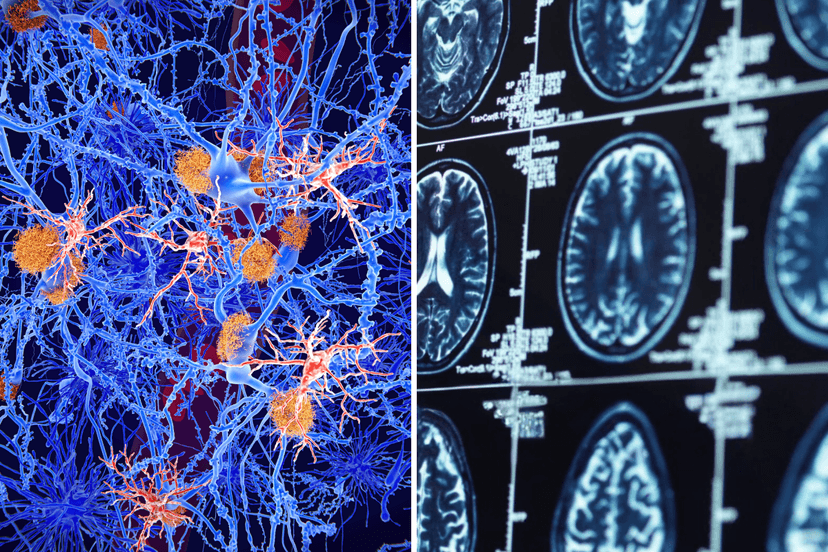
Researchers have pinpointed a crucial process in how Alzheimer's disease progresses through the brain, identifying the Arc protein as a potential facilitator of its spread. This protein, essential for normal neural communication, may be exploited by toxic Tau tangles characteristic of Alzheimer's. The findings suggest Tau can utilize Arc and extracellular vesicles to move from affected neurons to healthy ones, initiating new damage.
This mechanism reframes the Alzheimer's research landscape, moving beyond solely clearing toxic proteins. Instead, the focus may shift to impeding the intercellular transport of Tau. While Arc also seems to play a protective role by helping damaged cells expel excess Tau in early disease stages, the goal for future therapies is to specifically target the vesicles carrying Tau into healthy cells, rather than blocking Arc entirely.
Evidence of vesicles containing both Arc and Tau has been found in human brain tissue, indicating this process could be relevant in people. Though extensive human studies are required before clinical applications, this discovery offers a promising new avenue for developing treatments that could slow Alzheimer's spread by intercepting Tau's journey between neurons.


