Home / Health / Brain's Immune Cells Offer New Alzheimer's Hope
Brain's Immune Cells Offer New Alzheimer's Hope
25 Sep
Summary
- Researchers restored brain's immune response in Alzheimer's model.
- Blocking PD-L1 protein boosted microglia function.
- This approach shows promise but isn't a human cure yet.
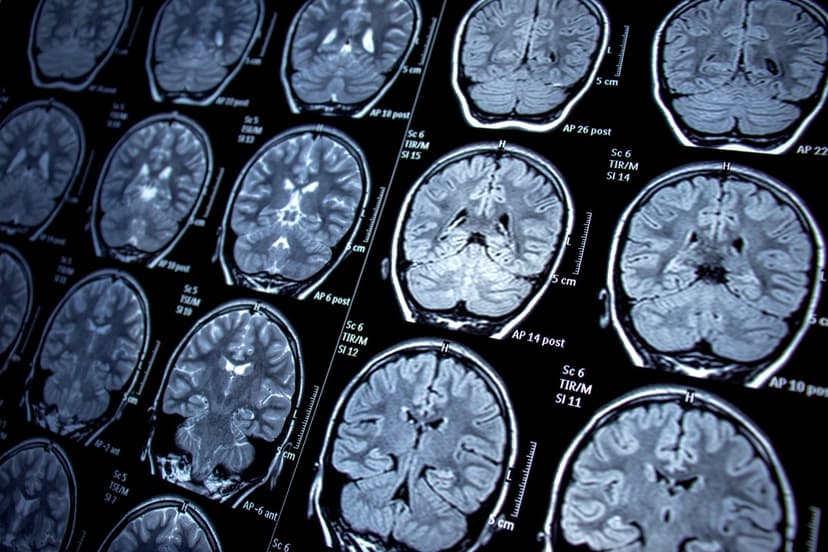
A recent study has revealed a potential breakthrough in understanding and addressing Alzheimer's disease by focusing on the brain's immune system. Researchers successfully restored a crucial part of the brain's immune response, leading to a reduction in abnormal nerve-cell activity observed in Alzheimer's models.
The study identified that disruptions in the immune-regulating proteins PD-1 and PD-L1 are linked to impaired microglia function in Alzheimer's. By administering an antibody to block PD-L1 directly into the brains of mice modeling the disease, scientists observed that microglia regained their ability to respond to damage.
This intervention also led to a decrease in excessive neuronal activity. Experts note this adds to evidence of the immune system's significant role in dementia. While promising, the findings, published in Science Advances, are based on mouse models and do not yet represent a human treatment or cure. Significant challenges remain in developing safe and effective delivery methods for such therapies in humans.


