Home / Health / Stomach Bug Protein Fights Alzheimer's Plaque
Stomach Bug Protein Fights Alzheimer's Plaque
7 Dec, 2025
Summary
- A protein from H. pylori bacteria reduces amyloid-beta and tau buildup.
- This protein fragment, CagAN, shows promise in blocking Alzheimer's hallmarks.
- Research suggests bacterial proteins could offer new Alzheimer's therapies.
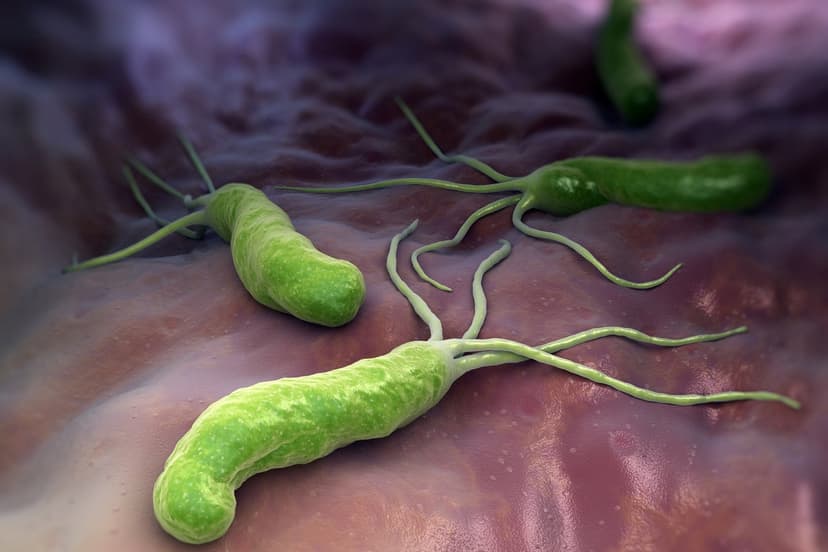
A breakthrough in Alzheimer's research has emerged from an unexpected source: a bacteria typically linked to stomach ulcers. Scientists have found that a specific protein fragment from Helicobacter pylori can inhibit the formation of both amyloid-beta and tau proteins, which are central to Alzheimer's disease pathology. This discovery challenges current treatment paradigms that focus solely on amyloid.
Researchers identified that a fragment of the H. pylori protein CagA, named CagAN, effectively reduced the aggregation of amyloid-beta and tau in laboratory settings. This suggests that bacterial proteins could offer a novel therapeutic avenue for preventing or slowing Alzheimer's progression, potentially by disrupting the molecular mechanisms driving the disease.
Beyond Alzheimer's, this bacterial fragment has also shown an ability to block the aggregation of proteins implicated in type 2 diabetes and Parkinson's disease. While the research is in its early stages and confined to lab experiments, these findings open promising new paths for developing treatments against a range of amyloid-related disorders.


