

Home / Health / Alzheimer's Blood Tests: Hope or Hype?
Alzheimer's Blood Tests: Hope or Hype?
27 Apr
Summary
- Tests measure amyloid/tau proteins, appearing decades before symptoms.
- Debate continues on test reliability for predicting Alzheimer's.
- No cure exists; available drugs only slow disease progression.
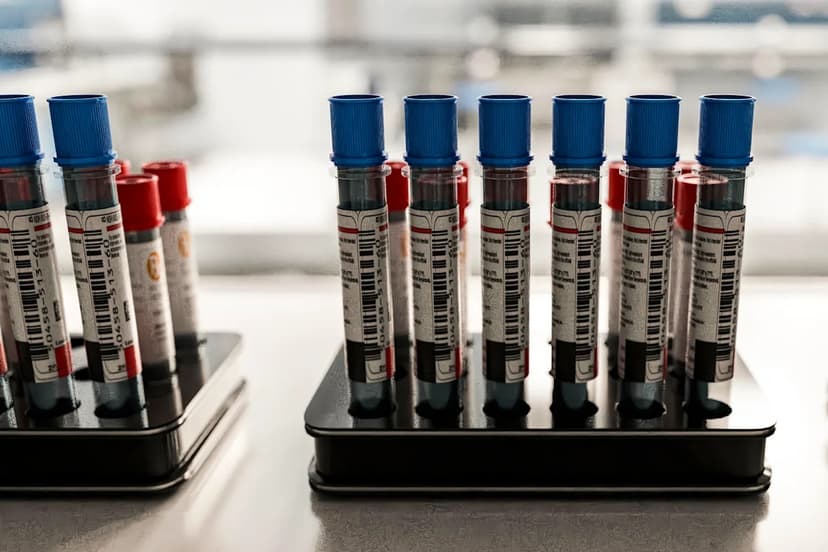
Alzheimer's blood tests are emerging as a tool to identify future risk by detecting amyloid and tau proteins, which build up in the brain years before symptoms appear. Doctors express ongoing debate regarding the accuracy of these tests in predicting who will develop Alzheimer's disease.
There is currently no cure for Alzheimer's, a condition affecting millions. While two FDA-approved drugs can slow the disease, their effectiveness is debated, and they carry risks like brain swelling and bleeding. The utility of early diagnosis through blood tests is questioned, as there is no evidence that early-stage intervention yields better outcomes.
A recent survey found that 85% of patients would take an Alzheimer's blood test if recommended by their doctor, despite nearly three-quarters anticipating distress from a positive result. Experts remain skeptical about the tests' readiness for widespread use, citing a need for further validation.
The FDA has cleared two blood tests for symptomatic individuals aged 55 and older, but these are not standalone diagnostic tools and carry risks of inaccurate results. Despite limitations, numerous commercial tests are available globally, with more in development, offering a potentially more accessible and less invasive option than PET scans or MRIs.
Blood tests are being explored for prediction, tracking treatment efficacy, and diagnosis. While improvements are noted, inconsistencies with other diagnostic methods like PET scans and spinal fluid analysis lead to continued skepticism about their standalone diagnostic capability. Further research is underway to enhance their accuracy and reliability across diverse populations.
